Thoughtful minds

I was delighted by this colorful balcony in Puerto Vallarta, Mexico, March 2004.
“The purest and most thoughtful minds are those which love color the most.”
― John Ruskin
Well, thanks for the compliment, Mr. Ruskin! I don’t know how true it is, but I know without a doubt that I belong in the group you have described. I am mad about color, lots of color in all shades, and I find that it can cheer me no matter how low I feel. I tend to favor the jewel tones, but I enjoy the entire range, from pale pastels to rich browns and black.
Recently when Jeff and I were talking with a landscaper about what sorts of trees, shrubs and plants we wanted, I found myself wondering how long it would take him to catch onto the fact that I was looking only for plants with bright, vivid flowers or foliage. After exclaiming over the rich pink hues of the flowering plum tree, the gorgeous foliage of the Japanese maple, and the camellias and azaleas with a variety of vibrant tones in leaves and flowers, I wanted to ask him, “Do you see a pattern here?” He must have, because he quit showing me the subtler shrubs that didn’t impress me as much.
I think I have lots of good company in the group of color-loving enthusiasts, so according to Ruskin, there must be quite a few “pure and thoughtful” minds out there. Manufacturers have discovered how we go for colors, making their gadgets available in an array of lovely hues. Cars, appliances, and office supplies feature increasingly brilliant tints. In everything from dishes to dress, we have endless choices to bring mood-boosting beauty into our everyday life.
Fortunately, I don’t have to buy a thing to get my color fix. I can hardly pass a paint chip display without stopping to admire the choices, even when I have no need to paint anything. I love looking at eye shadow and nail polish for the same reason. And I enjoy browsing the children’s picture books at public libraries and bookstores, sometimes feeling a bit of envy for today’s children who have such abundant full-color illustrations their books, which was rare when I was very young.
And when it comes to wonderful worlds of color, don’t get me started talking about Pinterest – surely one of the most addictive labyrinths of visual treats on the internet!
What colors do you love best? Do you favor monochromatic tones, or do you tend to go for combinations, and sometimes a rainbow of shades, as I do, especially in the garden?
Whatever your favorites, I wish you a palate of perfection to brighten your life every day!
One year ago today:
This post was first published seven years ago today. The original post, comments and photo are linked, along with two other related posts, below. These links to related posts, and their thumbnail photos, do not appear in the blog feed; they are only visible when viewing the individual posts by clicking on each one. I have no idea why, nor do I know how they choose the related posts. That’s just the way WordPress does things.
And yet be determined
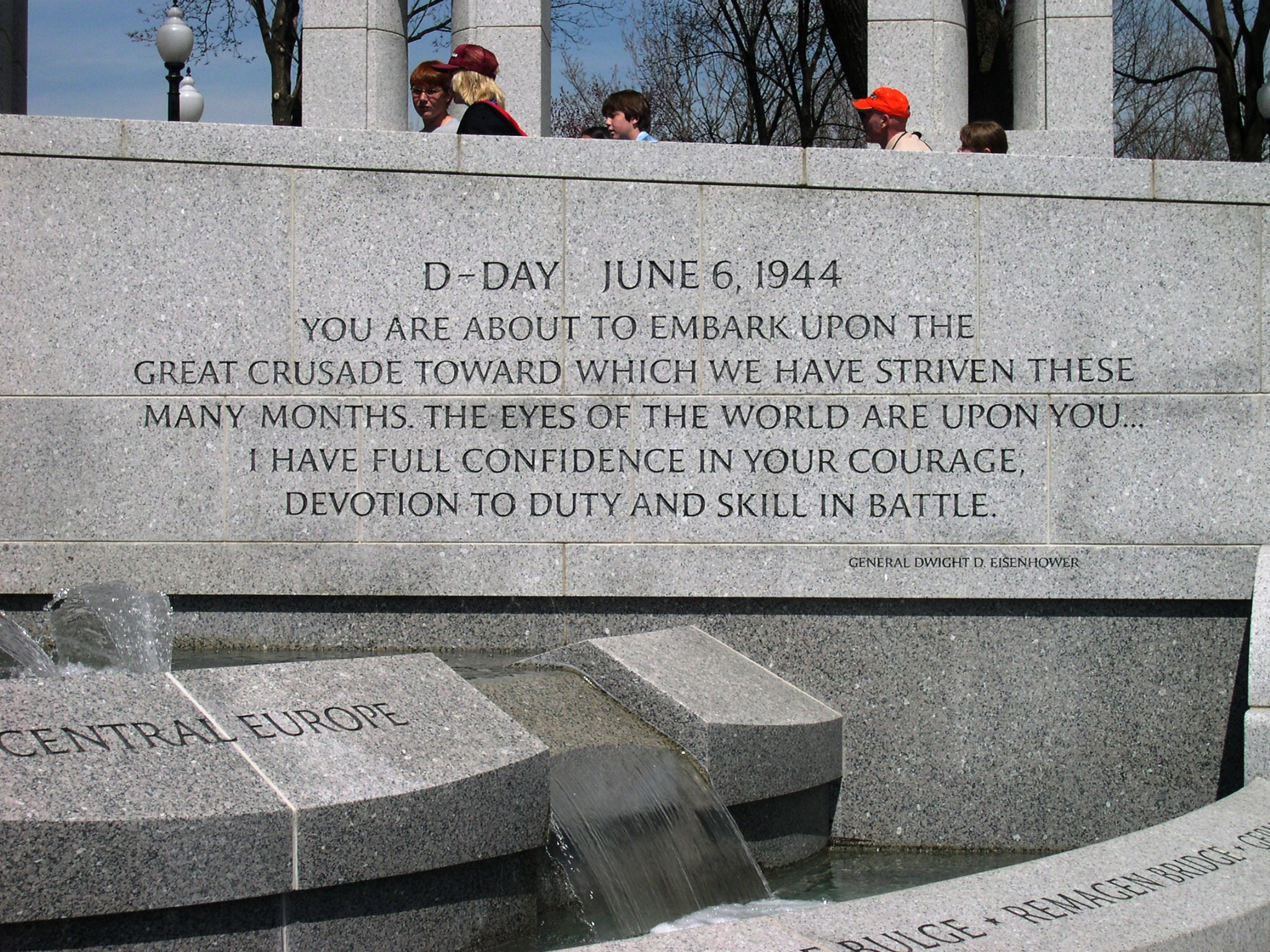
D-Day troops suffered ten times more casualties than their enemies,
but nonetheless managed to turn the tide of the war.
National World War II Memorial, Washington, DC, March 2005.
“The test of a first-rate intelligence is the ability to hold two opposed ideas in the mind at the same time, and still retain the ability to function. One should, for example, be able to see that things are hopeless and yet be determined to make them otherwise.”
— F. Scott Fitzgerald
For most of us, life is full of ethical conundrums; questions and dilemmas to which there are no easy answers. Nowhere is this more evident than in warfare. It seems counter-intuitive that war can bring about peace; that the taking of some human lives is necessary to prevent the deaths of many more. To the soldier, these questions become almost unbearably consequential. How does one balance the duties to home, family and friends against the duty to serve one’s country even to the point of death?
Regardless of how any of us resolves such dilemmas for ourselves, I think Fitzgerald has a point when he says that we must retain the ability to function in the face of them. Daily we are bombarded with dismal stories of tragedy and trouble all over the world, yet we are also surrounded with the lights of hope, faith and love that shine in countless people we know personally, or only learned about from other sources.
It’s easy, and almost inevitable, to feel hopeless at times. But even in such situations, we still can refuse to give up. People have been accomplishing seemingly impossible things for centuries by holding fast to courage and faith when logic defies the efficacy of either.
When two opposing ideas are battling it out in my mind, I often find that I do better to ignore the argument and go about taking whatever positive steps I can, doing what I know to be right without becoming distracted by useless agitation. Difficult questions abound, but they need not obscure the more obvious daily decisions I am capable of making regardless of larger issues over which I have no control.
Today, whatever problems and difficulties may arise, I hope we will retain the ability to function despite the external circumstances. We know we can do it, because we do it every day, despite the times when we feel that we cannot keep going. Even when it appears hopeless, we can almost always find reason for hope.
One year ago today:
This post was first published seven years ago today. The original post, comments and photo are linked, along with two other related posts, below. These links to related posts, and their thumbnail photos, do not appear in the blog feed; they are only visible when viewing the individual posts by clicking on each one. I have no idea why, nor do I know how they choose the related posts. That’s just the way WordPress does things.
In a fast-moving world
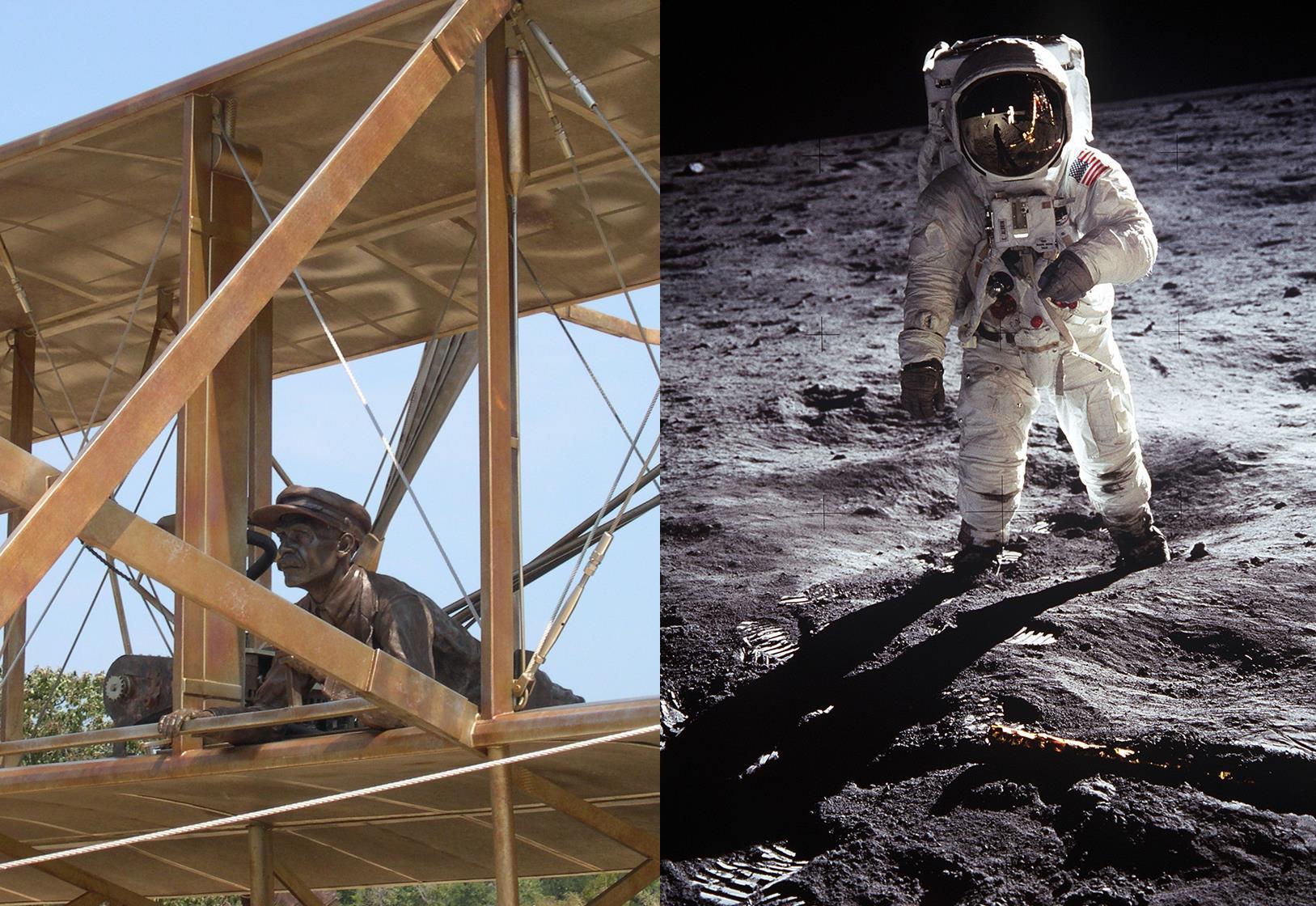
I took the first photo at the Wright Brothers Memorial, Kill Devil Hills, NC, August 2006.
The second photo is a public domain image from NASA.
“A friend of the first man to fly an airplane, Lindbergh lived long enough in a fast-moving world to befriend the first man to walk on the moon.” — A. Scott Berg
Isn’t it astounding how rapidly the world is changing? Maybe it’s my imagination, or my limited knowledge of history, but when I look back at past centuries I don’t see the seismic advances in technology that now seem to be happening faster than we can keep up with them. With the possible exception of the advent of movable type, which enabled widespread literacy and the flourishing of vernacular languages, I can’t see any period in history that has experienced the same acceleration of advancement in many areas as has occurred in our generation.
If we (and the earth, as we know it) survive long enough to be around in two decades or more, will we have early and late life experiences that, like Lindbergh’s, vividly demonstrate “one giant leap for mankind?” There are those among us who can remember life before penicillin and other life-saving antibiotics and vaccinations; before television of any kind; before most people in the US had automobiles; and before reliable and affordable corded telephone service to even relatively close areas, let alone wireless technologies that enable face-to-face conversations with a group of people all over the world, such as some of us have experienced via Skype.
Those are just a few of the areas we could name, but the list could go on and on. I remember seeing UNIVAC at a regional fair; it was a room-sized computer that could do almost nothing compared to even the smallest handheld device we have today. I remember black and white television with only three channels, large homes with only one tiny bathroom, and having no place in public that was suitable for changing my baby’s diaper. But my parents remember radios, outhouses and cloth diapers with wringer washers to launder them.
What do you remember? What “giant leaps” will you witness before the end of your life? It’s fun to wonder and speculate about what lies ahead. Perhaps one day we will be having this conversation in a 3D virtual environment, or even in person (“beam me up, Scotty”). But we already have marvels enough to enjoy. What is part of your everyday life now, that you could not have imagined in childhood?
One year ago today:
This post was first published seven years ago today. The original post, comments and photo are linked, along with two other related posts, below. These links to related posts, and their thumbnail photos, do not appear in the blog feed; they are only visible when viewing the individual posts by clicking on each one. I have no idea why, nor do I know how they choose the related posts. That’s just the way WordPress does things.
You learn to pay attention
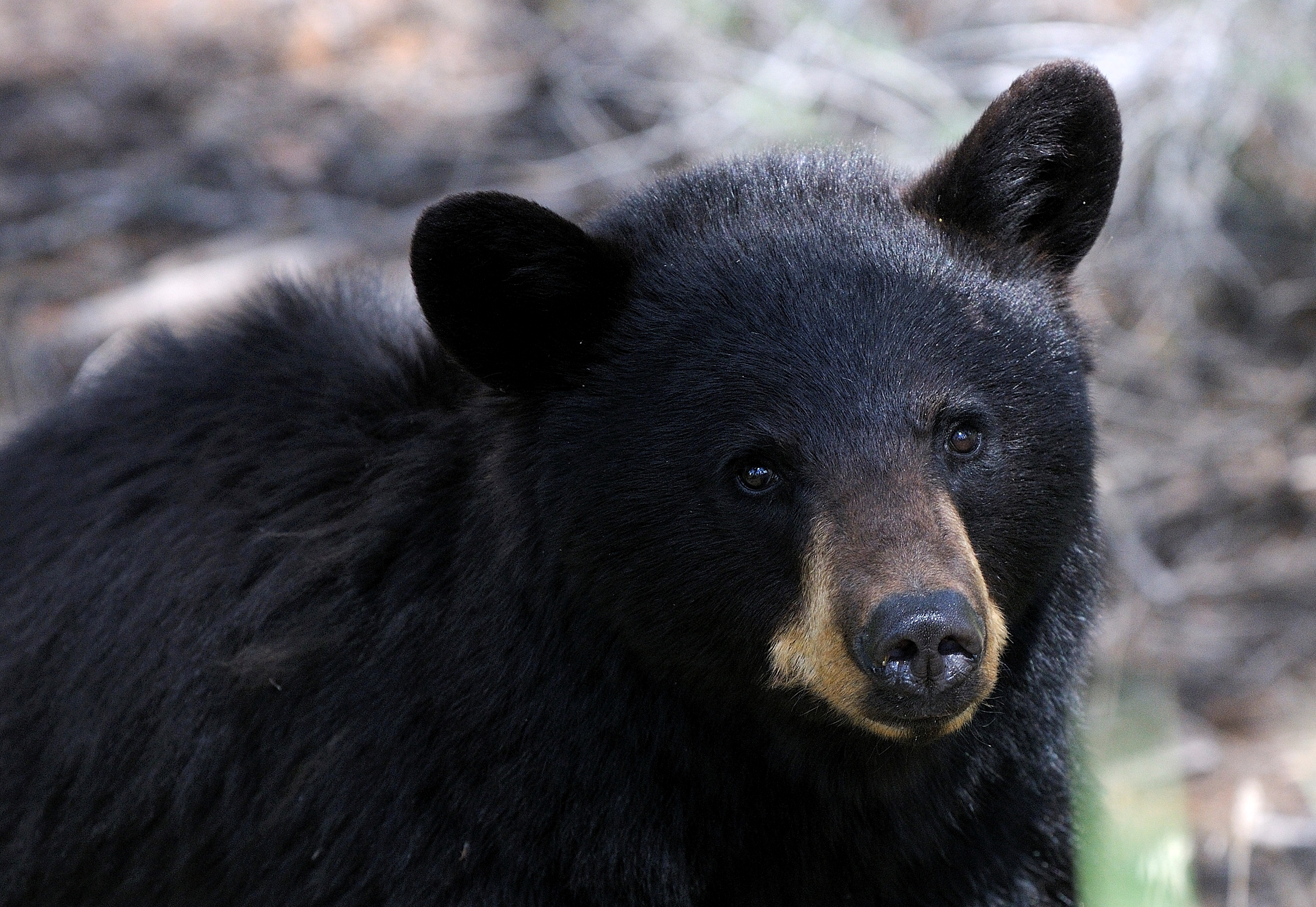
American black bear at Yellowstone National Park, Wyoming, June 2011
Photo by Hans Stieglitz via Wikimedia Commons, CC-BY-SA-3.0
“When you are where wild bears live, you learn to pay attention to the rhythm of the land and yourself. Bears not only make the habitat rich, they enrich us just by being.”
― Linda Jo Hunter
If I lived where my brother lives, I would certainly pay a lot of attention when I ventured out of the house. I’d hate to surprise a bear, though I’d love to see one from a safe distance.
Watching the video embedded below, I realized why toy teddy bears became such a fixture of childhood. The baby bear in the video is so playfully lovable that it would be hard not to want to get close…but with Mama Bear probably close by, that wouldn’t be a safe idea.
Our world is made rich by all sorts of animals, and paying attention to them can bring entertainment, joy and even wisdom. What animals enrich your habitat?
One year ago today:
This post was first published seven years ago today. The original post, comments and photo are linked, along with two other related posts, below. These links to related posts, and their thumbnail photos, do not appear in the blog feed; they are only visible when viewing the individual posts by clicking on each one. I have no idea why, nor do I know how they choose the related posts. That’s just the way WordPress does things.
Know who you are

The Three Soldiers statue at the Vietnam Veterans Memorial, Washington, DC, April 2012
“You may encounter many defeats, but you must not be defeated. In fact, it may be necessary to encounter the defeats, so you can know who you are, what you can rise from, how you can still come out of it.” ― Maya Angelou
Nobody likes to lose. Loss hurts, sometimes irrevocably. But there are lessons in defeat, if we are wise enough to learn them.
If you are experiencing defeat right now, take courage from Angelou’s words above, and in this video that features her incredibly incandescent hope, and know you can rise above your despair. If you have painful memories of past defeats, I hope you are able to look back and find some good that came of it.
If you’ve never felt the sting of defeat, you’re a rare and blessed person, and have reason to be thankful. But it’s almost certain that you know someone who isn’t so fortunate, who might need your compassion and help in facing their loss.
Defeat, as any other crisis, can be a catalyst for growth and change. In fact, often defeat will give us no other choice but to grow, if we wish to survive. Today let’s draw inspiration from the many people around us now, and in our collective history, who taught themselves (and us) how we can rise above setbacks and keep going.
One year ago today:
A daybreak that’s wondrously clear
This post was first published seven years ago today. The original post, comments and photo are linked, along with two other related posts, below. These links to related posts, and their thumbnail photos, do not appear in the blog feed; they are only visible when viewing the individual posts by clicking on each one. I have no idea why, nor do I know how they choose the related posts. That’s just the way WordPress does things.
A running flame
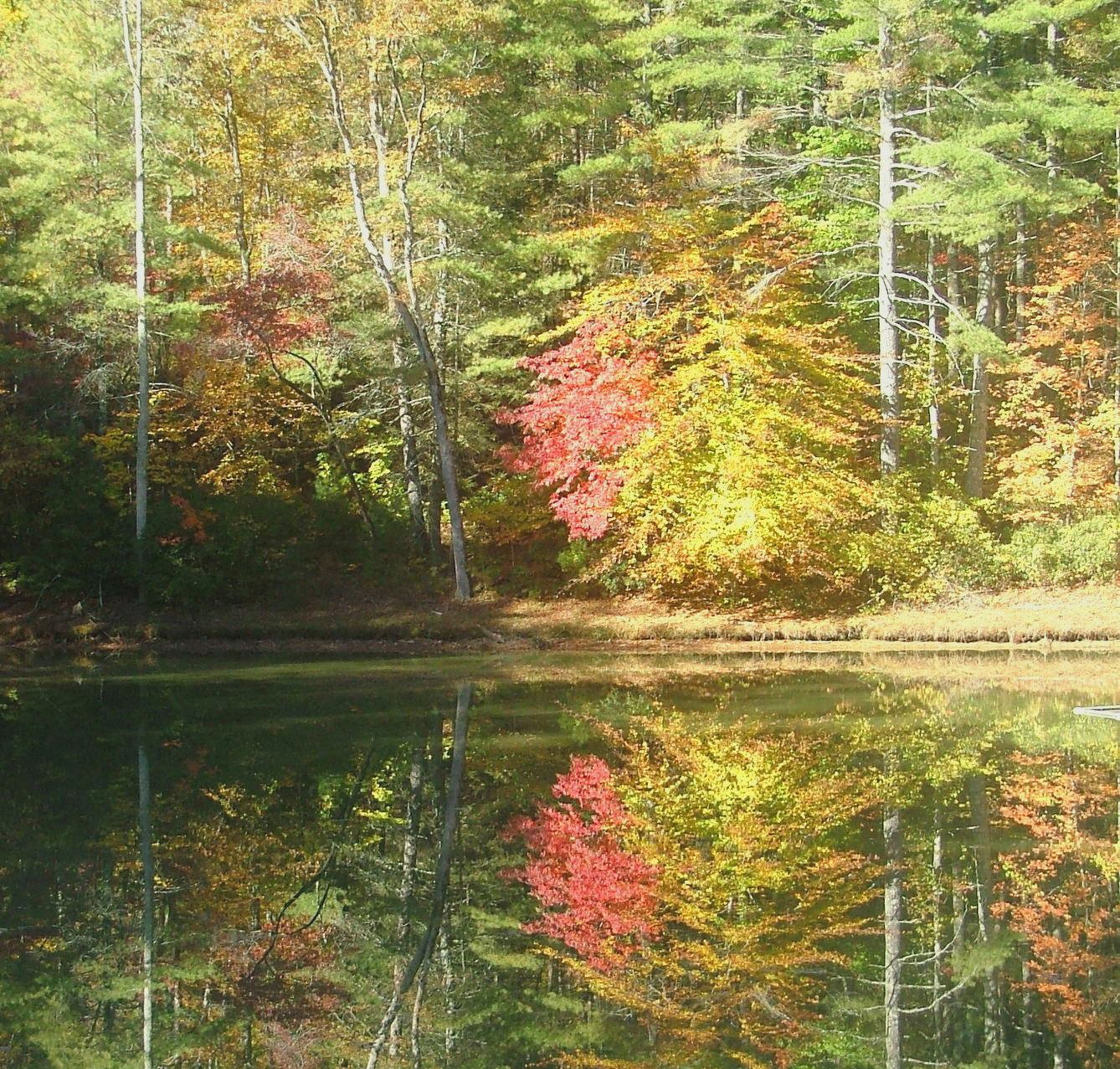
Eric sent me this photo taken near his home in the north Georgia mountains, October 2011.
“Autumn burned brightly, a running flame through the mountains, a torch flung to the trees.” — Faith Baldwin
If you live in the northern hemisphere, I hope you are close enough to visit some area where the torch of autumn is lighting up the forests. Not all of us live near mountains, but anywhere there are deciduous trees, we may be able to see the spectacular colors that are only seen in nature. Let’s rejoice at the beauty, as the crisp exhilaration of fall lights up the days and weeks to come.
One year ago today:
Bright and intense and beautiful
This post was first published seven years ago today. The original post, comments and photo are linked, along with two other related posts, below. These links to related posts, and their thumbnail photos, do not appear in the blog feed; they are only visible when viewing the individual posts by clicking on each one. I have no idea why, nor do I know how they choose the related posts. That’s just the way WordPress does things.
Courage, cheerfulness and…
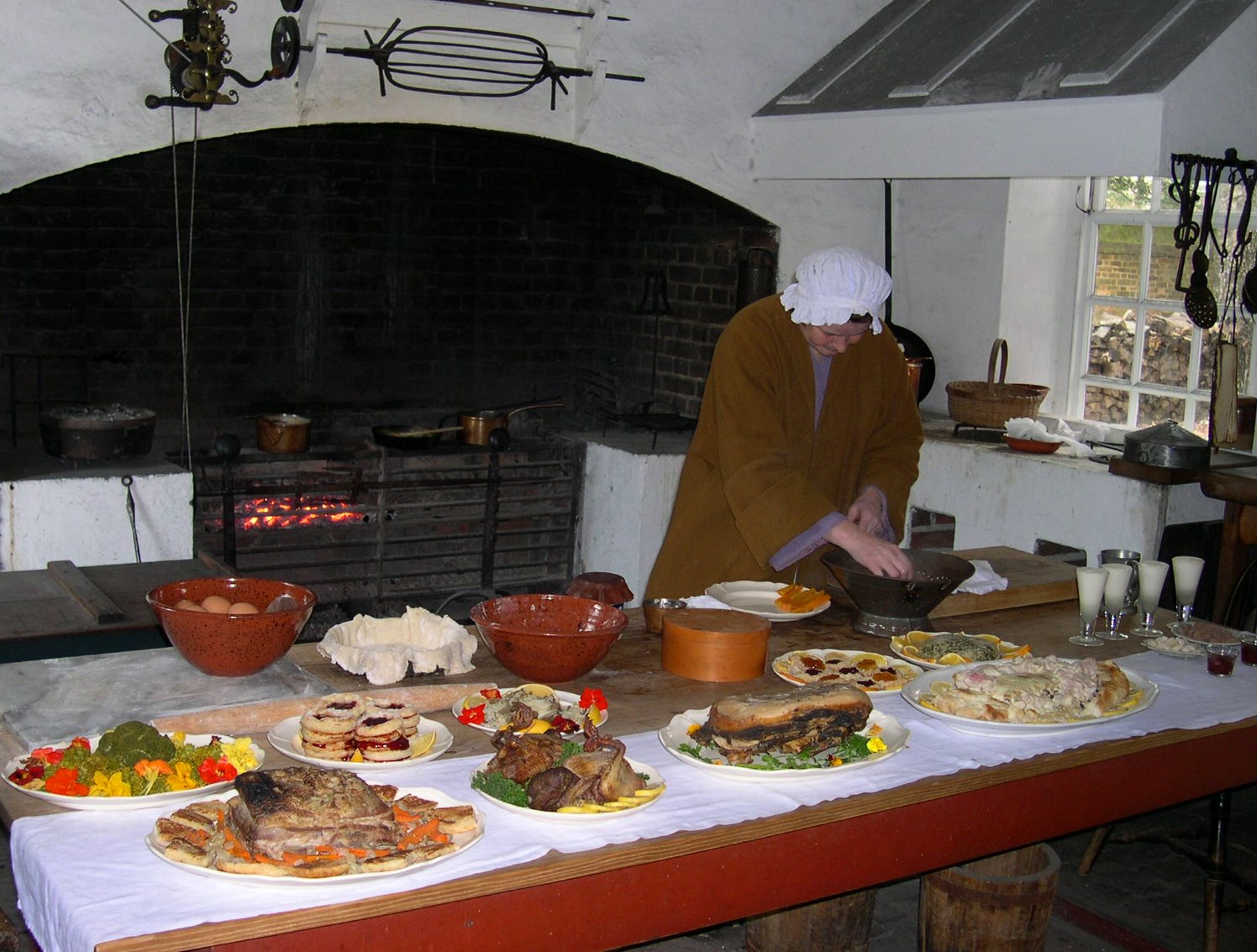
The meals and methods have changed, but not our love of eating, or our need for it.
Colonial Williamsburg, Virginia, November 2004
“Courage, cheerfulness, and a desire to work depend mostly on good nutrition.”
— Jacob Moleschott
The author of this quote lived more than 100 years ago, but he probably would get as much or more agreement with this statement today than he did when he first said it. Though the average diet has undergone substantial and somewhat amazing changes during the past century, the human body’s basic nutritional needs have changed little, if at all.
The dietary changes of the past century are a mixture of good news and bad news. On the plus side, we have a greater abundance of food available to more people than ever before. The downside is that most of us expend fewer calories and therefore need that abundance less than our ancestors might have needed it. And a great percentage of what is available is processed beyond the point of any nutritional value, or laden with chemical preservatives and other additives.
We’re fortunate to know more about our dietary needs than past generations knew. Less fortunate, for us, is the fact that our decreased need for calories make it more important than ever to maximize the nutritional content of what we eat. This translates to fewer (or no) rich pastries and fatty main courses, and more vegetables, many of which we learned to dislike from childhood on.
The good news is that we have an ever-increasing number of healthy options from which to plan our meals. The bad news is that most of us don’t have enough discipline to limit our intake of the delicious, less healthy choices in favor of the ones we know are better for us. We need not be gluttons to feel guilty about what we eat nowadays, with constant (and often confusing or conflicting) advice coming to us from almost every direction.
Despite the disadvantages of living in the twenty-first century, I would not want to go back to the centuries before childhood obesity and diabetes were among the major concerns. Malnutrition, rampant infectious disease and increased rates of infant mortality would hardly be acceptable trade-offs. Despite frequent hand-wringing and doom-and-gloom polemics to the contrary, we are lucky to be alive today.
I’d rather feel thankful for the blessings we enjoy, and renew my determination to use them wisely — which includes sharing them with others, as well as remaining interested (but not obsessed) with eating wisely and well. I’m convinced part of the nourishment that comes with eating is emotional and social. I don’t think that’s a bad thing, as long as we don’t go overboard with it.
So as the holiday season approaches, I encourage you to celebrate the blessing of good nutrition — the joys of having variety, satiety and sobriety as essential features of our dietary delights. Santé!
One year ago today:
This post was first published seven years ago today. The original post, comments and photo are linked, along with two other related posts, below. These links to related posts, and their thumbnail photos, do not appear in the blog feed; they are only visible when viewing the individual posts by clicking on each one. I have no idea why, nor do I know how they choose the related posts. That’s just the way WordPress does things.
Courage undaunted

This monument marks the burial site of Meriwether Lewis.
The ruins of the Grinder house are adjacent to the cabin-style visitor’s center, far right.
Natchez Trace Parkway, Lewis County, Tennessee, September 18, 2014
“Of courage undaunted, possessing a firmness and perseverance of purpose which nothing but impossibilities could divert from its direction, careful as a father of those committed to his charge, yet steady in the maintenance of order and discipline, intimate with the Indian character, customs, and principles; habituated to the hunting life, guarded by exact observation of the vegetables and animals of his own country against losing time in the description of objects already possessed; honest, disinterested, liberal, of sound understanding, and a fidelity to truth so scrupulous that whatever he should report would be as certain as if seen by ourselves – with all these qualifications as if selected and implanted by nature in one body for this express purpose, I could have no hesitation in confiding the enterprise to him.” — Thomas Jefferson, writing of Meriwether Lewis
Two hundred and five years ago, on the evening of this day, famed young explorer Meriwether Lewis was traveling to Washington DC via the notoriously dangerous Natchez Trace, and made the fateful decision to stop at an old inn called Grinder’s Stand in Tennessee. His journey as well as his life ended there, in the early hours of the next morning.
The circumstances of his death are surrounded with mystery to this day, though most historians believe it was suicide. If Lewis did take his own life, he made a tragic mess of it, shooting himself twice yet surviving, reportedly pleading for help, until the next morning. That a renowned frontier marksman would err so egregiously with a gun at close range, twice in a row, was among many suspicious details that gave rise to the widespread, though generally less accepted, theory that he was murdered.
Despite the questions that persist about his untimely fate, however, there is no lack of consensus about the importance of his work. Likewise, the details of his biography offer abundant documentation of his bold spirit amid the perils, difficulties and setbacks he encountered in his relatively short life. His story is one of history’s endless stream of reminders that men and women of past generations accomplished astounding progress with very few of the comforts we consider necessary today.
Recently I re-visited the site where Lewis met his death. I was traveling alone down the beautiful Natchez Trace Parkway, which runs directly between Jeff’s home town and the north Alabama county where many of my relatives live. It’s an enjoyable journey, one I have always loved and have driven alone many times.
But it was a bit eerie to be the only human at the melancholy site (the tiny visitor’s center is open only on weekends, and I was there on a Thursday). Walking the grounds, it wasn’t hard to understand how the fanciful legends sprang up, hinting that the ghost of Lewis still haunts the area. As with many historic parks, especially the remote ones, the atmosphere is thick with unseen or imagined remnants of the past. It was with some relief that I spotted a woman walking two large dogs; apparently she had pulled over from the parkway for quick break.
Perhaps I had heard it before and only noticed it because of my somber experience at the Lewis memorial, but on this recent trip, numerous relatives cautioned me not to drive the Trace after dark. Apparently it’s still regarded as a dangerous place (at least for a woman traveling alone), if only because of the isolation that constitutes much of its allure. I had noticed on the way down that my cell phone had no connection anywhere en route, and the 72 miles of the Trace I drove featured no populated rest stops or emergency services. I moved my return trip to an earlier hour to get back to Jeff’s family before dark.
After hearing so many caveats, I felt bold and maybe a bit foolish for venturing down the Trace so many times by myself, with never a thought (until now) about how safe it might be. I can’t claim undaunted courage; more like ignorant naïveté. Still, it seemed appropriate to share some small portion of the trepidation that must have attended the travels of our country’s earliest inhabitants, whether indigenous or immigrant. Their courage and perseverance are worth remembrance.
One year ago today:
This post was first published seven years ago today. The original post, comments and photo are linked, along with two other related posts, below. These links to related posts, and their thumbnail photos, do not appear in the blog feed; they are only visible when viewing the individual posts by clicking on each one. I have no idea why, nor do I know how they choose the related posts. That’s just the way WordPress does things.
The soul is healed
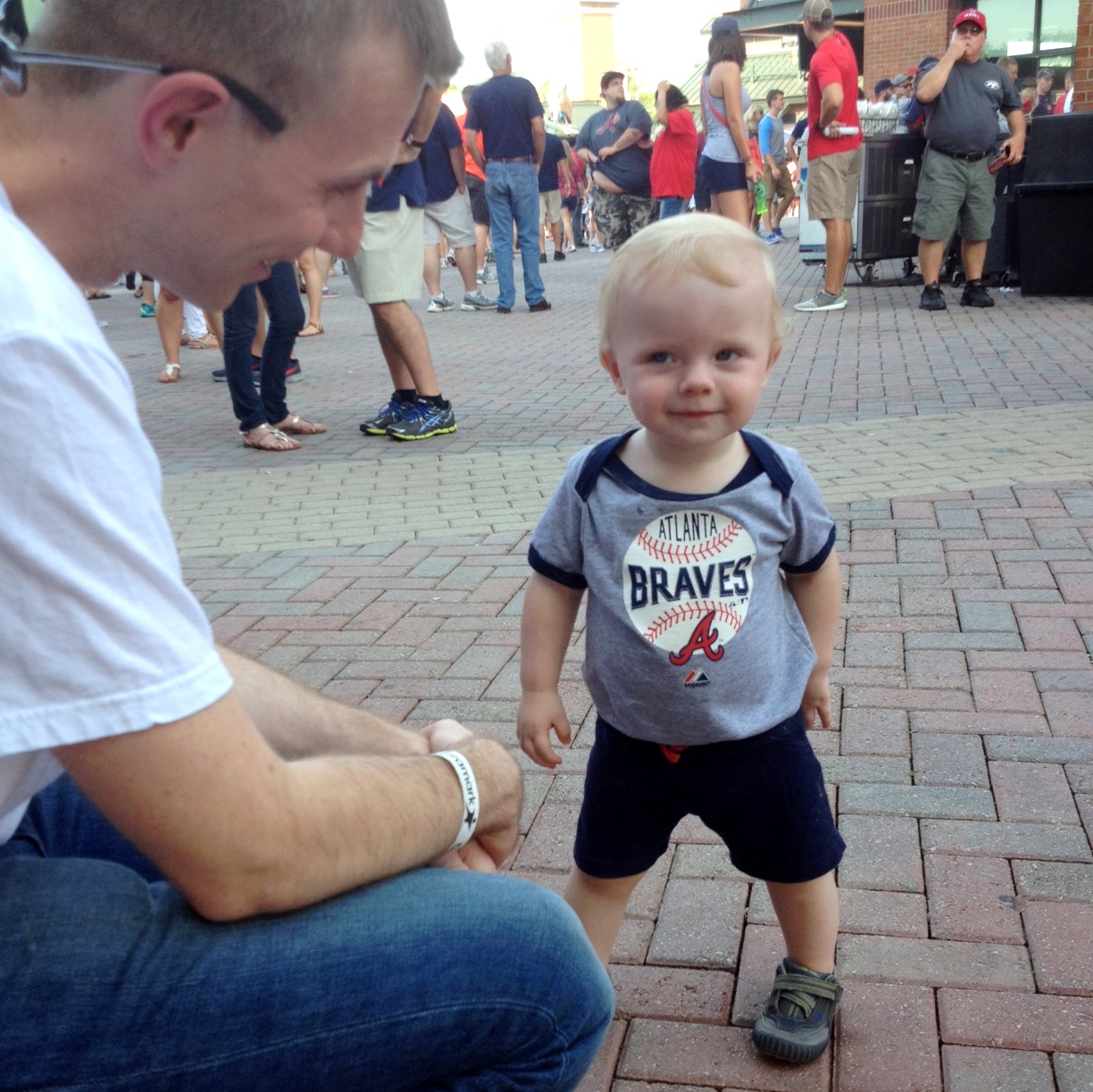
Grady with “Uncle” Paul at Turner Field, Atlanta, August 16, 2014
“The soul is healed by being with children.” ― Fyodor Dostoyevsky
“A baby is God’s opinion that the world should go on.” ― Carl Sandburg
What a difference one short year makes in the life of a baby! When I compare the photo above to the one posted one year ago today, which was taken less than a year earlier than this one, it amazes me how much growth happens so quickly.
For more than a year now, Grady has been shining brightly among our reasons not to give up hope. Whether he’s feeling pensive, happy, funny, grouchy or rowdy, he is always interesting to be with. We are so thankful for his healing presence!
Who are your favorite children? Whoever and wherever they are, I hope you are able to spend as much time as possible with them. They heal the soul in unique ways, and remind us that no matter what happens, life does go on.
One year ago today:
This post was first published seven years ago today. The original post, comments and photo are linked, along with two other related posts, below. These links to related posts, and their thumbnail photos, do not appear in the blog feed; they are only visible when viewing the individual posts by clicking on each one. I have no idea why, nor do I know how they choose the related posts. That’s just the way WordPress does things.
To look ahead

Drew ventures forth on the Yukon trail, if only in his imagination. Here’s to beginnings!
Skagway, Alaska, June 2000
“A story has no beginning or end: arbitrarily one chooses that moment of experience from which to look back or from which to look ahead.”― Graham Greene
“Be willing to be a beginner every single morning.” ― Meister Eckhart
Today is my 700th daily post, and that number rather amazes me. Nearly two years ago, I began this blog as a way of coping with wave after wave of devastating news. I invited others to join me in refusing to succumb to despair when there are always so many reasons to rejoice.
Some of you have been with me from the very beginning, and others joined along the way; I have appreciated the encouragement of each and every one of you who has visited and left your comments and “likes” on my posts. As we approach the two-year anniversary of this little outpost in cyberspace, I have some special things planned to celebrate; I hope to be posting more about that very soon.
Today I invite you to see each day as a beginning. While we think of autumn as nearing the end of the year, it does mark a logical beginning point in a variety of ways.
Students and teachers return to a new school year in many parts of the world, and nature is shedding her fading flowers and foliage in preparation for a fresh spring that will be coming soon. Landscapers tell us this is the best time to plant new shrubs at our homes, since root growth happens most quickly now.
Some of us already are starting to prepare for the beginning of another holiday season and the calendar’s New Year, which will be here before we know it.
Since I started this blog, Jeff has come through numerous intense treatments for stage IV cancer, including two major surgeries, several minor ones, six weeks of daily radiation, and four different chemotherapy regimens. He now stands at the threshold of exploring participation in promising treatments of a newer, more experimental but hopefully less traumatic nature. So he can rightly see this time as the beginning of a new phase of his life, as he continues his quest to be among the 5% with his diagnosis who reach the five-year survival mark.
He has reached an even more impressive two-year milestone than I have, because doctors told us “about two years” was the average survival time of patients with his diagnosis who took the original chemotherapy regimen he started in December 2012. Not only is he still alive, but he is currently well enough to continue working full time, and to be considered for further treatment opportunities. We praise God for abundant mercies, including the warm thoughts and prayers of so many in this online community and elsewhere.
How about you? What new beginnings might you be marking today? Every time we awaken to a new day, it’s a gift– an opportunity to grow, give, receive, rejoice and press ahead. Others have traveled this journey ahead of us, and we follow in their footsteps, determined to leave a slightly improved trail for those who follow. In the spirit of T. H. White’s Arthurian epic The Once and Future King, which ends with the words “The Beginning,” I hope you will join us as we start each day in faith that all will someday be made new.
One year ago today:
This post was first published seven years ago today. The original post, comments and photo are linked, along with two other related posts, below. These links to related posts, and their thumbnail photos, do not appear in the blog feed; they are only visible when viewing the individual posts by clicking on each one. I have no idea why, nor do I know how they choose the related posts. That’s just the way WordPress does things.
Books break the shackles

We are surrounded by communications from the past. Tune in to one today!
Photo by William Hoiles at Basking Ridge Historical Society, CCA 2.0 via Wikimedia Commons
“One glance at [a book] and you hear the voice of another person, perhaps someone dead for thousands of years. Across the millennia, the author is speaking, clearly and silently, inside your head, directly to you. Writing is perhaps the greatest of human inventions, binding together people, citizens of distant epochs, who never knew one another. Books break the shackles of time…” ― Carl Sagan
If you could host a dinner party and invite whomever you wanted, from any era, who are some of the people you’d invite? Make your list, then head to the library, or check an online library or database. Chances are you can hear from each person on that list, directly, via the wonders of written words. And you won’t even have to promise them dinner to enjoy their company.
In fact, we’ve been hearing from all sorts of fascinating people via the quotes on this blog, and a great many of them are no longer living on this earth. How fortunate we are, that so many wise and witty people took the time to introduce themselves and their ideas to us, by leaving behind books, manuscripts, letters and journals that are still being read today.
How about you? Are you leaving messages for your grandchildren, great-nieces and nephews, or friends and neighbors who will not meet you for many years hence? You can talk directly to them with very little effort or expense. Pick up one of the lovely blank journals available everywhere (I find some beautiful ones for very little money at T. J. Maxx) or start a free blog online. Or just record your thoughts in an online journal with a word processing program (be sure to save a backup copy to a jump drive or memory card).
And for those who really enjoy writing, self-publishing via print-on-demand or ebook has never been more affordable AND respectable than it is now. Let’s break the shackles of time by reading and writing. It is one of our greatest gifts, and it’s been defeating despair for hundreds — no, make that THOUSANDS — of years!
One year ago today:
This post was first published seven years ago today. The original post, comments and photo are linked, along with two other related posts, below. These links to related posts, and their thumbnail photos, do not appear in the blog feed; they are only visible when viewing the individual posts by clicking on each one. I have no idea why, nor do I know how they choose the related posts. That’s just the way WordPress does things.
Sit silently
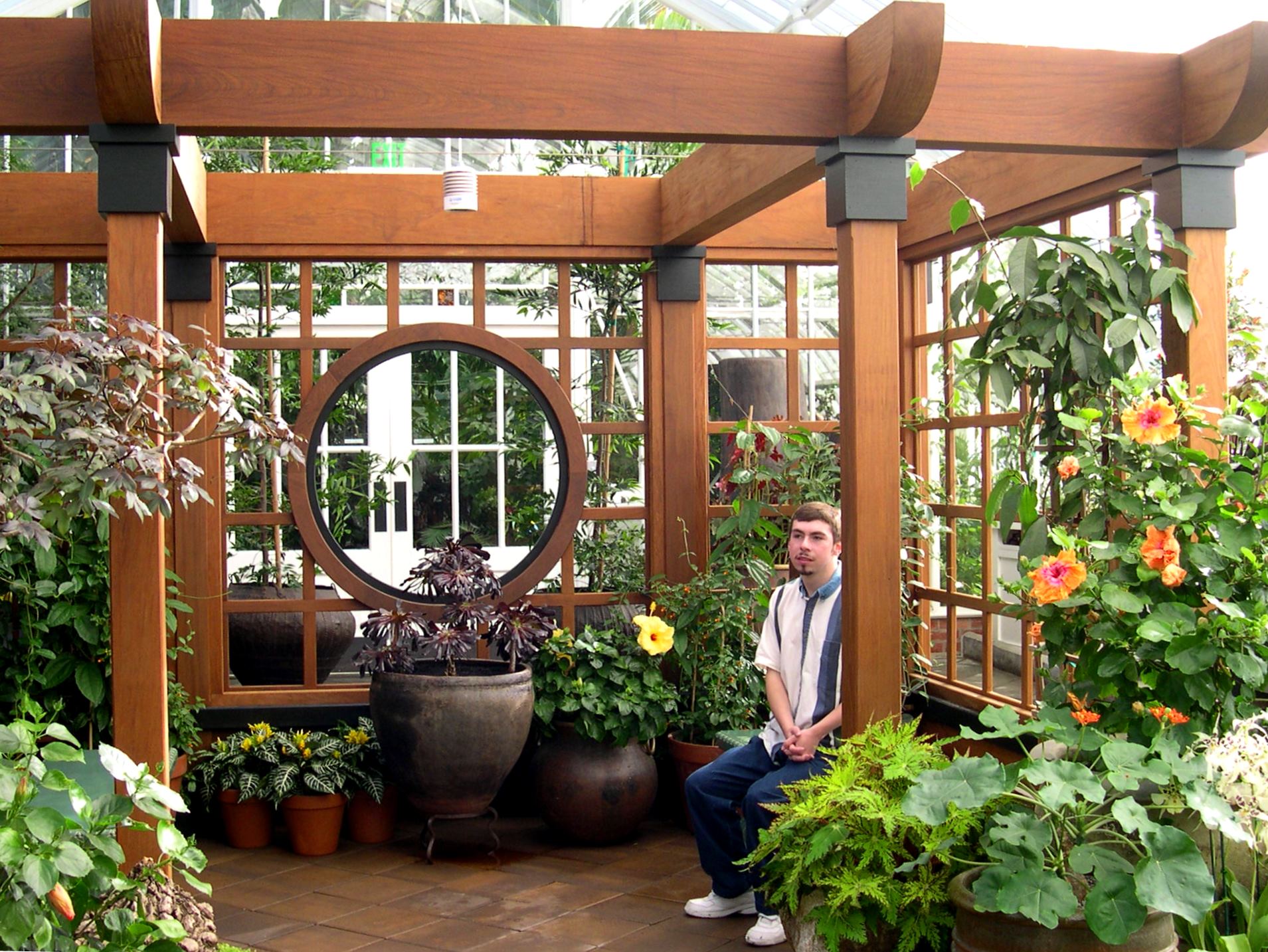
Matt enjoys the silence at the conservatory in Golden Gate Park.
San Francisco, October 2003
“We sit silently and watch the world around us. This has taken a lifetime to learn …silence is pure. Silence is holy. It draws people together because only those who are comfortable with each other can sit without speaking. This is the great paradox.” ― Nicholas Sparks
In keeping with the truth of this quote, I won’t add anything except to say thanks for being here, sharing what is said and, maybe even more importantly, what isn’t said. Together we will watch the world around us today, mostly silently, drawn together by the shared experience.
One year ago today:
This post was first published seven years ago today. The original post, comments and photo are linked, along with two other related posts, below. These links to related posts, and their thumbnail photos, do not appear in the blog feed; they are only visible when viewing the individual posts by clicking on each one. I have no idea why, nor do I know how they choose the related posts. That’s just the way WordPress does things.
Delicious
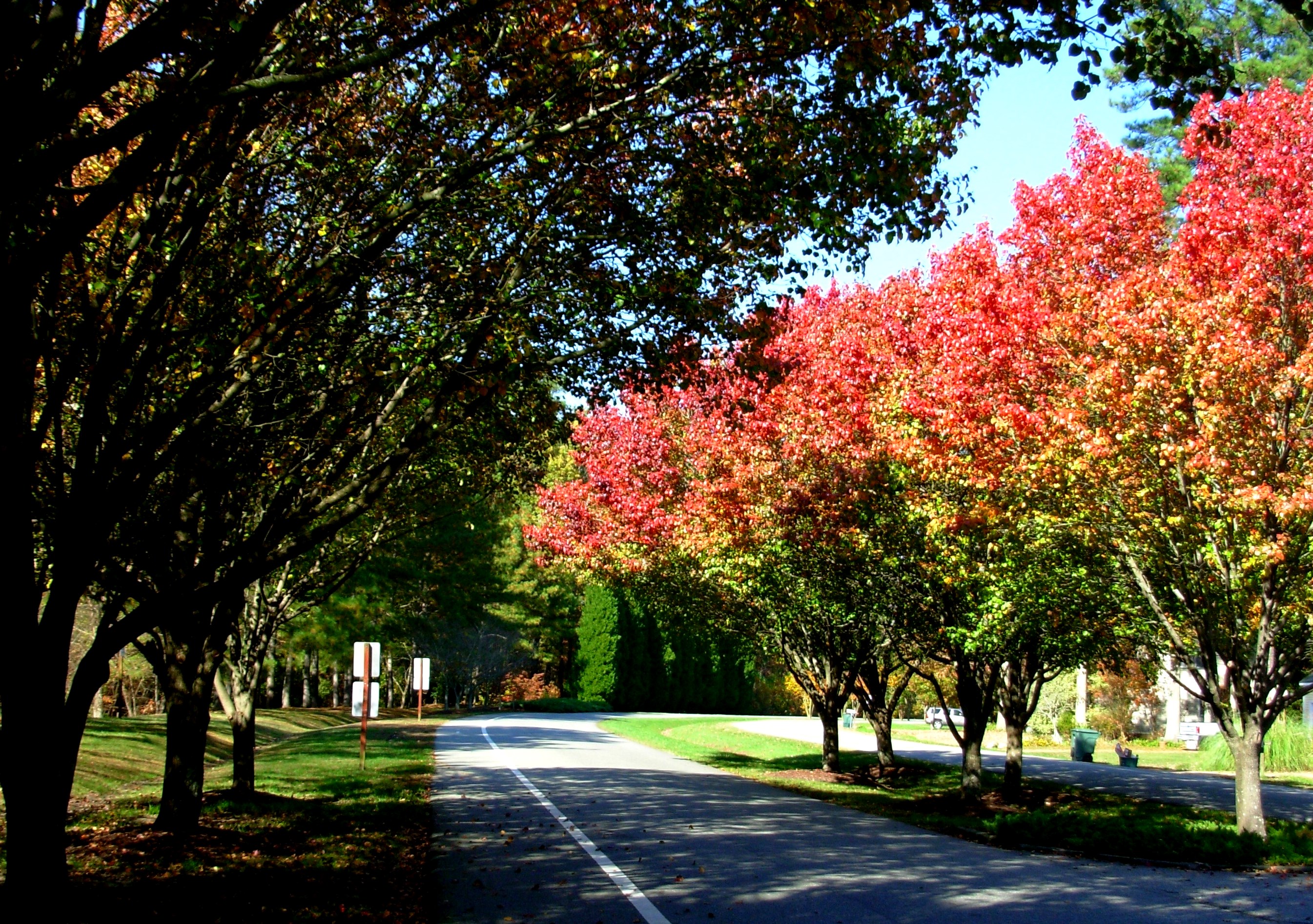
This is a favorite part of my walk anytime, but especially in fall. Yorktown, November 2008
“Delicious autumn! My very soul is wedded to it, and if I were a bird I would fly about the earth seeking the successive autumns.” — George Eliot
The scene pictured above is one of my favorite places in our neighborhood. There is a pond just to the left, where you can’t see it in the photo, but one hardly notices it for the trees that are beautiful all year round. They look gorgeous in spring when they flower, and cool and shady with green in the summer, but I love them best in the fall.
Eliot wouldn’t have to be a bird to fly nowadays, but she probably couldn’t seek successive autumns even if she was still on earth today. She’d likely be too busy with the responsibilities of day-to-day life to indulge her fall fantasies. But she could fly about in cyberspace for a few minutes every day, and hear about the delights of the season all over the world.
It’s fun to reflect on her words and realize that the magic of autumn has captivated human hearts and minds for hundreds of years. If you identify with Eliot’s love of this season, pull up an imaginary chair and have a chat with her about what she might see if she could visit your home during her favorite time of year. She has left behind some vivid descriptions of fall for us to enjoy. Your turn now!
One year ago today:
This post was first published seven years ago today. The original post, comments and photo are linked, along with two other related posts, below. These links to related posts, and their thumbnail photos, do not appear in the blog feed; they are only visible when viewing the individual posts by clicking on each one. I have no idea why, nor do I know how they choose the related posts. That’s just the way WordPress does things
These four words

Grady and Matt are a mutual admiration society. Dam Neck, Virginia, June 2014
“I bring you the gift of these four words: I believe in you.” — Blaise Pascal
I might never have met you face to face. In fact, I may not even know who you are, or that you are reading this blog at all. But I still believe in you.
I believe in you because I believe each and every person is created in the image of God, and capable of beautiful deeds. I believe that everybody can play an important role in this world, no matter what their past has been like. I believe it is never too late to come back from defeat, discouragement or despair. I believe that there are others who believe in you too, people who are more immediately present in your life, though you may not recognize or know about them.
All of us need the comfort and encouragement that can only come from people who believe in us. If you feel bereft of this important support, I urge you to seek, pray and be open to it. It may not come from the sources where you wish to find it. But if you seek with faith, you will discover it. I really believe that.
One year ago today:
This post was first published seven years ago today. The original post, comments and photo are linked, along with two other related posts, below. These links to related posts, and their thumbnail photos, do not appear in the blog feed; they are only visible when viewing the individual posts by clicking on each one. I have no idea why, nor do I know how they choose the related posts. That’s just the way WordPress does things
They have the best

“A dog riding the bicycle” by Takato Marui, Osaka, Japan.
Via Wikimedia Commons, Licensed under CCA 2.0
“Everyone thinks they have the best dog. And none of them are wrong.”
— W.R. Purche
Years ago I saw an adorable cartoon that showed a little puppy excitedly informing his friends, “Guess what everyone? I am the world’s best dog! My human just broke the news!” The older dogs are looking at one another with awkward expressions and one says, “Who wants to tell him?” I searched the internet in vain for that cartoon. I really wanted to share a link to it here, because it went so perfectly with this quote.
I couldn’t find any information on W. R. Purche, either, except links to this quote. It would appear that he or she is known mainly for having said or written that thought. Aside from possibly substituting the word “pet” or “animal companion” for the world “dog,” I would have to say it’s definitely true. I know we had the world’s best dog, and I bet you did too, if you were fortunate enough to have one. If not, maybe you have the world’s best cat or bird or hamster or turtle. Lucky us!
One year ago today:
This post was first published seven years ago today. The original post, comments and photo are linked, along with two other related posts, below. These links to related posts, and their thumbnail photos, do not appear in the blog feed; they are only visible when viewing the individual posts by clicking on each one. I have no idea why, nor do I know how they choose the related posts. That’s just the way WordPress does things
Be the navigator

From the family archives, a photo of Daddy in flight training sometime in the mid -1960s.
“Time flies. It’s up to you to be the navigator.” — Robert Orben
Though our circumstances differ, and some of us have more opportunities than others, each of us has the power to determine how we will react to the externals we cannot control. We plan our lives much as a navigator plots a course of travel by land or sky or sea, always knowing the path may be altered by unexpected events.
We’re lucky to have at hand a variety of resources to help us make sound decisions: documented absolutes and laws, instruments that give us a fairly reliable set of readings, and stories of those who have gone before us on the route we choose to take. If we are wise, we will pay attention to the cumulative experiences of people who have tried and failed, as well as the ones who succeeded. We will understand that preparation is a continual process.
Most of us are fortunate in having fellow crew members with us on the journey. Our opinions about how to handle crisis may differ, but we are reassured to know that when troubles arise, we will not be alone.
Still, none of these assets can relieve us of the responsibility of making the best of our limited time on earth. Difficulties will sometimes frustrate us into thinking that time is dragging, but in reality, it never is. Time really does fly, whether we are having fun or not. Let’s do another instrument check, and keep those maps at hand. We’ll be there before we know it.
One year ago today:
This post was first published seven years ago today. The original post, comments and photo are linked, along with two other related posts, below. These links to related posts, and their thumbnail photos, do not appear in the blog feed; they are only visible when viewing the individual posts by clicking on each one. I have no idea why, nor do I know how they choose the related posts. That’s just the way WordPress does things
A kind of introduction
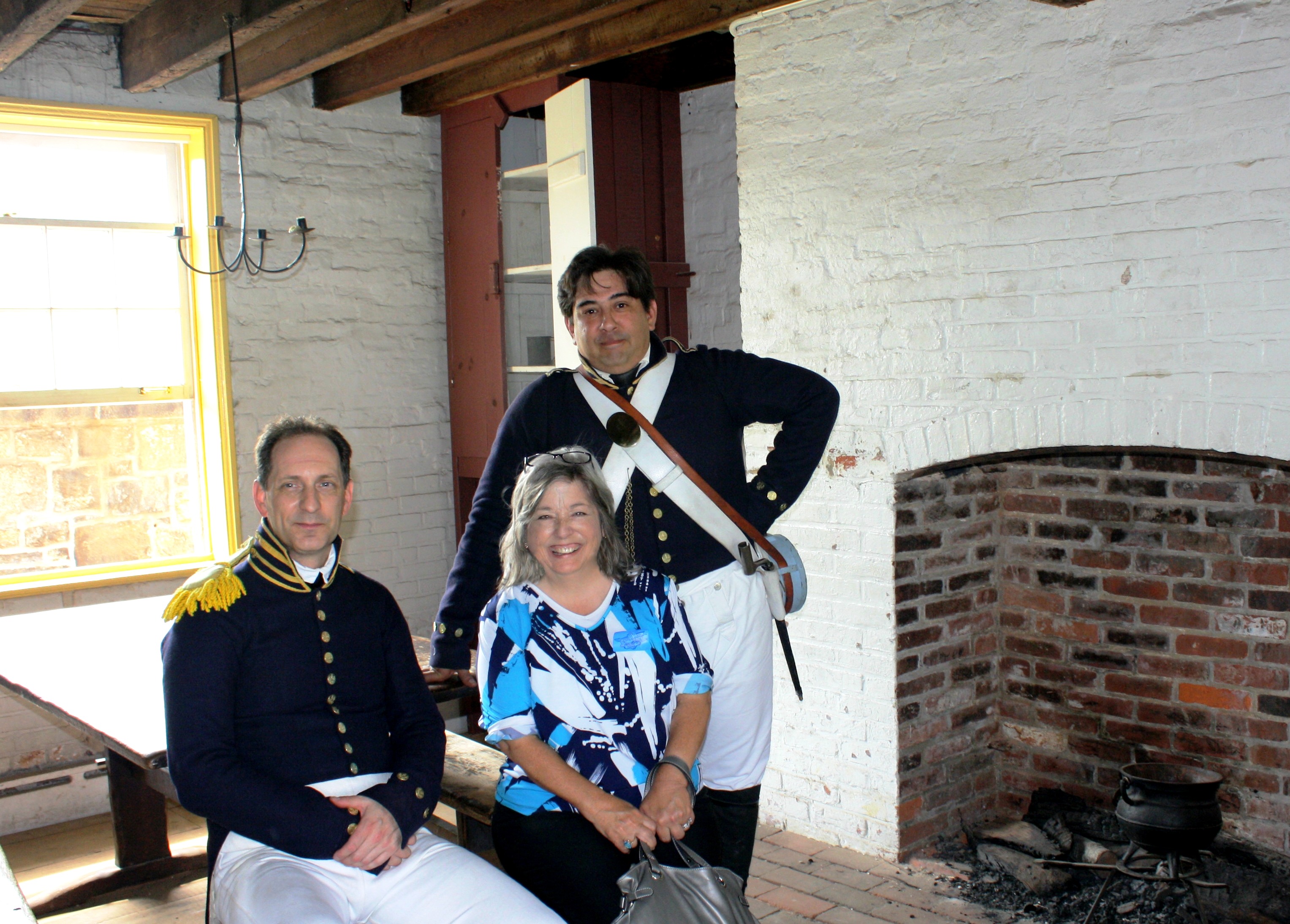
Carla poses with soldiers from the War of 1812, Ft. McHenry, Baltimore, August 2010.
“History is a kind of introduction to more interesting people than we can possibly meet in our restricted lives; let us not neglect the opportunity.” — Dexter Perkins
It’s not surprising that the people who tend to show up in history books are interesting types. But as I’ve often said here, I think everybody is interesting, when you look closely enough. Many everyday people who lived in generations past would be fascinating to talk with today.
I appreciate the way historical parks and museums have become so much more interactive. Costumed docents and interpretive staff members lend a touch of drama and an air of authenticity that helps us feel we have stepped back in time. Some of these people are amazing in their ability to stay in character for the time they represent. I imagine that many of them have some degree of theatrical training in addition to their knowledge of the era.
Often there are look-alike actors playing famous individuals from history, but most of these costumed staff are playing the roles of ordinary people: shopkeepers, soldiers, farmers, school children. It’s fun to talk with them and pose for (anachronistic) photos with them. I’ve “met” Thomas Jefferson, Queen Elizabeth I, Charles Dickens and Lewis Carroll, among many others, but some of the most engaging people I’ve met are typical citizens whose names are not often found in the history books.
We have so many opportunities, in reading books or visiting historical sites, to be introduced to unforgettable characters from other worlds. I hope you will not pass up the chance to get acquainted with some of those who helped shape our past.
One year ago today:
This post was first published seven years ago today. The original post, comments and photo are linked, along with two other related posts, below. These links to related posts, and their thumbnail photos, do not appear in the blog feed; they are only visible when viewing the individual posts by clicking on each one. I have no idea why, nor do I know how they choose the related posts. That’s just the way WordPress does things
Autumn has seized the countryside

Our neighbors’ yards are particularly beautiful in the fall. Yorktown, Virginia, October 2008
“The magic of autumn has seized the countryside; now that the sun isn’t ripening anything it shines for the sake of the golden age…” ― Elizabeth Coatsworth
I would miss so much if I didn’t get out and walk. This neighbor’s yard, like so many, would be harder to appreciate through the windshield of a car. Walking by it allows me to rejoice in how stunning a picture it makes. Having a camera allows me to catch it and enjoy it again later.
As autumn seizes the countryside, I hope you will seize the moments of this golden age and save them, in memory or in snapshots. Feel free to send us some photos or word pictures of what fall is like in your neighborhood.
One year ago today:
This post was first published seven years ago today. The original post, comments and photo are linked, along with two other related posts, below. These links to related posts, and their thumbnail photos, do not appear in the blog feed; they are only visible when viewing the individual posts by clicking on each one. I have no idea why, nor do I know how they choose the related posts. That’s just the way WordPress does things.
Defiance of the contemporary
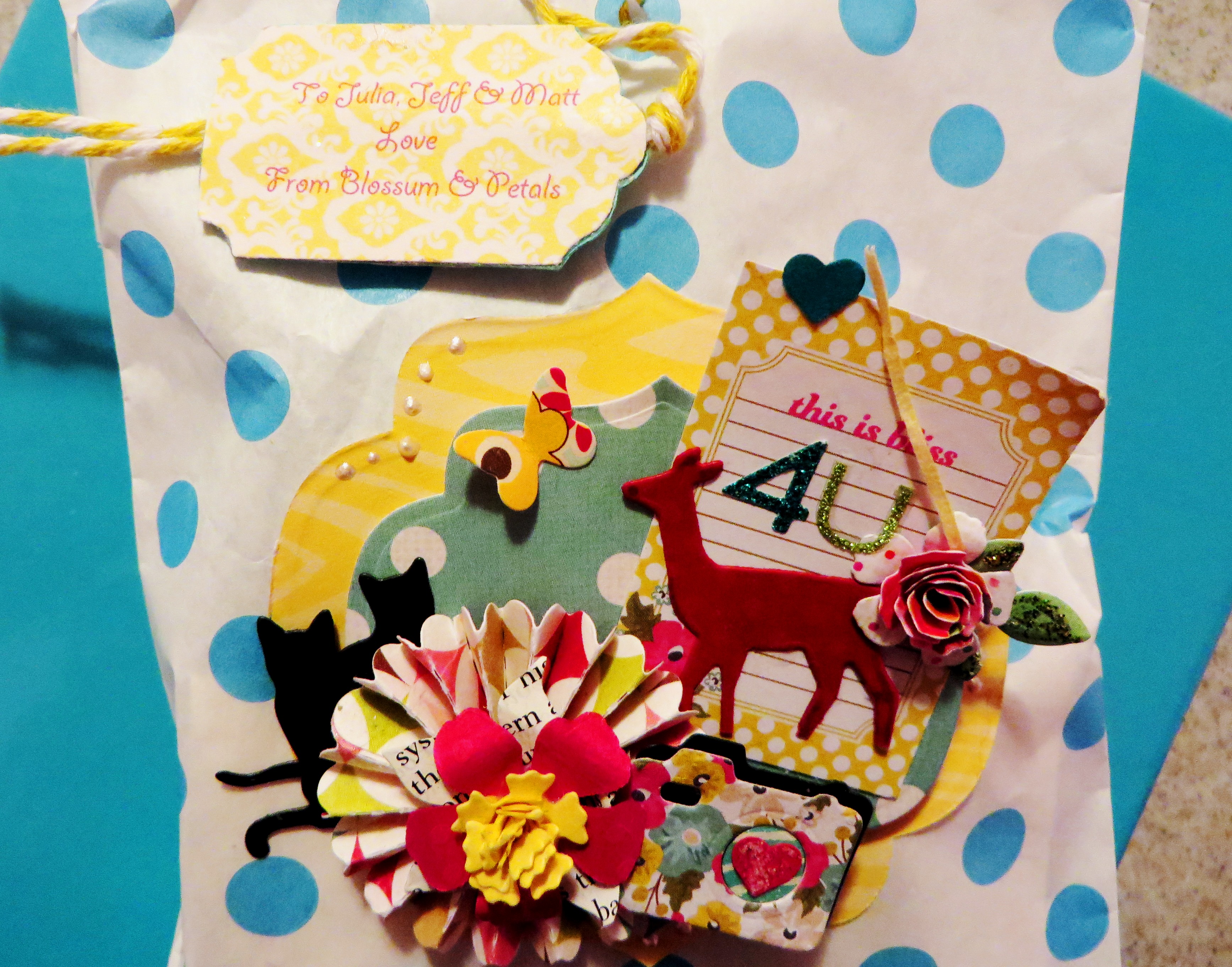
One dreary January day, I received a beautifully wrapped surprise from faraway Canada.
Boomdee knows how to say “I care” better than any monetary extravagance ever could.
The gift of time via a handmade creation is precious indeed! January 2014
“A hobby is a defiance of the contemporary. It is an assertion of those permanent values which the momentary eddies of social evolution have contravened or overlooked. If this is true, then we may also say that every hobbyist is inherently a radical, and that his tribe is inherently a minority.” – Aldo Leopold
This quote from Leopold was so intriguing that I had to give it a lot of thought. I started to think of my own hobbies; reading, writing, crafts, gardening, photography, correspondence with friends and relatives. All have increasingly little place in what contemporary society deems necessary or efficient.
Most hobbies represent facets of life that are necessary, but are more commonly met in more “efficient” institutional or minimal ways. But mass industrialized farming is not the same thing as gardening or hunting. Photographs taken purely for fun are different from those taken for financial gain, and the reading or writing of business or commercial copy is not the sort of writing I think of as a hobby.
Do you have a hobby? Is there anything you do that is done for the pleasure and benefit of yourself or someone else, in defiance of what is commonly thought of as an effectively time-managed method of accomplishing a similar outcome? If so, you are (at least according to Leopold) a radical in the best sense of the word. I like to think that I, too, am a member of the minority that constitutes this tribe.
I think of the beautiful crocheted items that Dani produces. Certainly blankets could be manufactured much more cheaply and quickly, but could they ever hold the love and beauty that she puts into each gift she makes?
I think of Alys and her gardens, or Pauline and her artwork, or the many readers of this blog who have other interests that require time and discipline. Some prefer biking to automobile travel. Some prefer cooking for loved ones to eating in restaurants. Some prefer harvesting their own wild game by hunting, rather than buying packaged meats in the supermarket. Some enjoy communicating daily via encouraging words, to people whom they have never met (thank you, Sheila and others who comment here frequently).
All are acting in defiance of the unspoken laws of society that say: That takes too much time. That isn’t worth the effort. People are too busy to keep in touch. Nobody sends cards and letters via postal mail anymore. It costs more to grow your own food than to buy it at the grocery store. Why waste so much time on something that might not be fully appreciated?
On and on the subliminal or overt messages of the naysayers go, sometimes provoking guilt in us for spending time on that which they might see as unnecessary. These negative messages are generated in no small part by those who want to sell us on empty entertainment to fill the void that is left when we abandon mindful enjoyment of wholesome recreation.
In some circles, online communities are increasingly referred to as “tribes,” but long before there was such a thing as online social media, Leopold identified a tribe that is present in full force, both online and in the unplugged world. It is a tribe of radicals, to which you probably belong: those who “just say no” to the pressure to do everything in the fastest, cheapest, shallowest way possible. Despite what some might think, I believe our numbers are growing, and the world will be better for it.
One year ago today:
This post was first published seven years ago today. The original post, comments and photo are linked, along with two other related posts, below. These links to related posts, and their thumbnail photos, do not appear in the blog feed; they are only visible when viewing the individual posts by clicking on each one. I have no idea why, nor do I know how they choose the related posts. That’s just the way WordPress does things.
It is all there
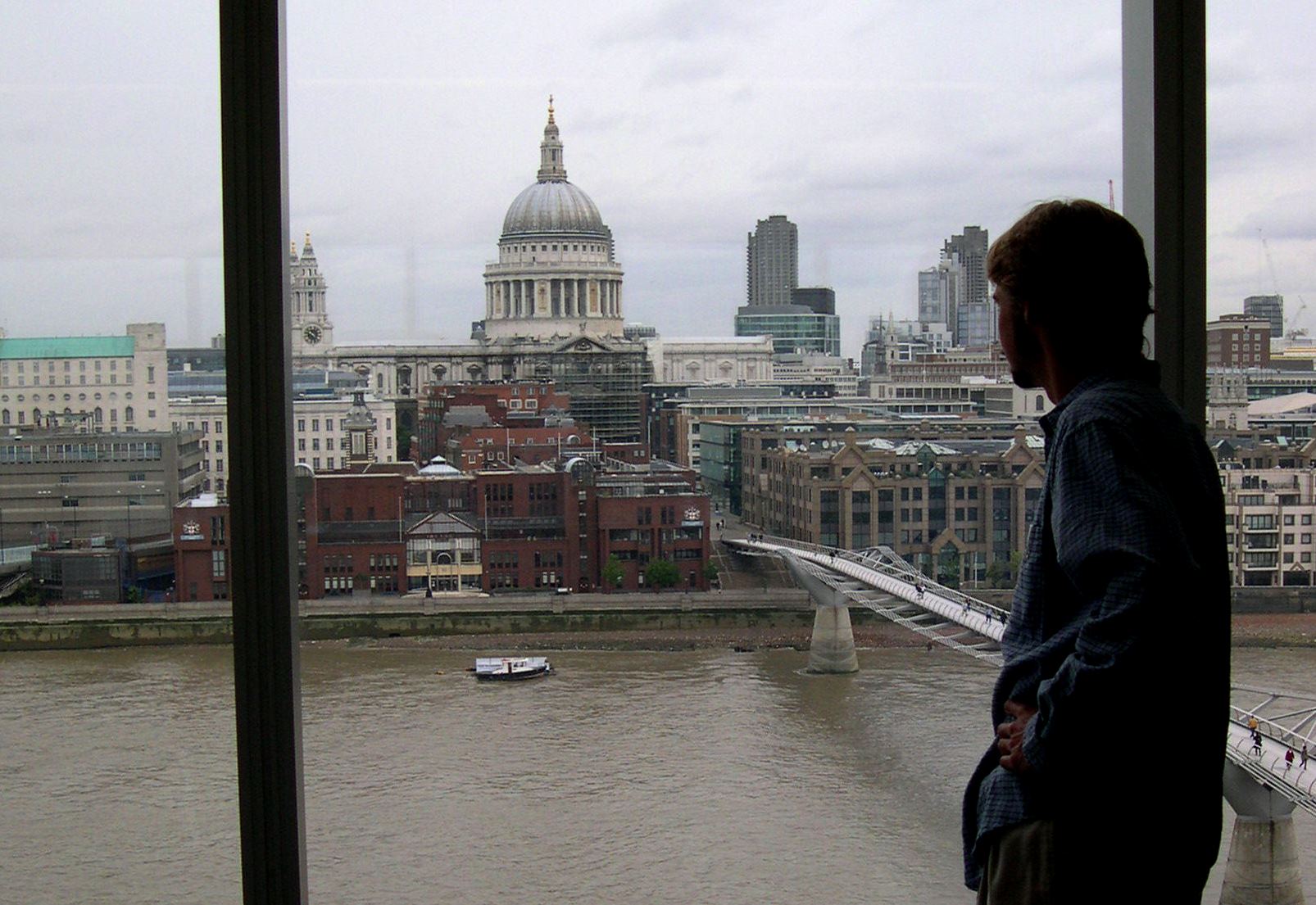
Drew looks out on London from the Tate Modern, August 2005.
“London has the trick of making its past, its long indelible past, always a part of its present. And for that reason it will always have meaning for the future, because of all it can teach about disaster, survival, and redemption. It is all there in the streets. It is all there in the books.” ― Anna Quindlen
I think Quindlen captures London perfectly in this quote. For me, to visit London was to fall in love with history all over again. I felt, as in no other place, the real and immediate connection the past has to the present and future.
Growing up in a country where two centuries ago seems age-old history, and living where almost all of the homes are younger than I am, it’s easy to get a skewed idea of the relevance of the distant past.
That error seems less likely in London, where the atmosphere is unmistakably alive and modern, but the surroundings bear traces of bygone centuries that go as far back, in some places, as the rule of ancient Rome. After a week of touring London, I had to laugh at myself, because I had begun to see anything built after 1500 or so as relatively recent.
When you hear the term “historic,” what era first comes to mind? Are there any places near you that remind you of eras that seem mostly forgotten by people today?
One year ago today:
This post was first published seven years ago today. The original post, comments and photo are linked, along with two other related posts, below. These links to related posts, and their thumbnail photos, do not appear in the blog feed; they are only visible when viewing the individual posts by clicking on each one. I have no idea why, nor do I know how they choose the related posts. That’s just the way WordPress does things.
Bright and demanding

It was hard to ignore this shop on the Outer Banks of North Carolina, September 2013.
“She liked anything orange: leaves; some moons; marigolds; chrysanthemums; cheese; pumpkin, both in pie and out; orange juice; marmalade. Orange is bright and demanding. You can’t ignore orange things.” — Catherynne M. Valente
Though I’ve never thought of orange as one of my favorite colors, I love the way it brightens this time of year. It’s not a flattering color for many of us to wear, but it looks great on fruit and foliage, and adds a jolt of vivid cheer to the browning landscape.
Here’s hoping your weekend is brightened by your favorite orange things; whether that’s pumpkin, cheese, flowers, OJ, or something not edible at all, such as a lovely orange kitty cat. If Valente is right, we won’t be able to ignore its persistent presence. It’s a yearly promise of festive times ahead.
One year ago today:
This post was first published seven years ago today. The original post, comments and photo are linked, along with two other related posts, below. These links to related posts, and their thumbnail photos, do not appear in the blog feed; they are only visible when viewing the individual posts by clicking on each one. I have no idea why, nor do I know how they choose the related posts. That’s just the way WordPress does things.
Forgetting where you put it

Miss Piggy approves of fruit, properly prepared, as a healthy dessert choice. Dig in!
Photo by Garry Knight via Wikimedia Commons, CC BY-SA 2.0
“Moi does not recommend dieting. The only way you can lose weight is the same way you lose anything – by forgetting where you put it…A very common oversight in most weight-limitation programs is to pay excessive attention to the calories you consume rather than to the enormous numbers of calories you routinely avoid…You can eliminate a lot of calories by entirely cutting out things you hate.” — Miss Piggy
One year ago I posted about various aspects of physical health, including dieting. This year, I thought I would lighten things up a bit (no pun intended) with some dieting advice from that icon of perfection, Miss Piggy. As anyone familiar with her can confirm, Miss Piggy never has to worry about defeating despair. That task is delegated to those who have to put up with her!
Nonetheless, I must admit that I have unintentionally tried all of the tactics she suggests, and I find the last one to be the best approach for me. I no longer eat anything I don’t absolutely love, unless it’s so healthy for me that I can use it to earn indulgences in something that’s so full of sugar, fat or salt as to be borderline toxic.
Do you have any dietary tips of which Miss Piggy would approve? Feel free to share them here. And remember one of her most famous maxims: “Never eat more than you can lift.”
One year ago today:
This post was first published seven years ago today. The original post, comments and photo are linked, along with two other related posts, below. These links to related posts, and their thumbnail photos, do not appear in the blog feed; they are only visible when viewing the individual posts by clicking on each one. I have no idea why, nor do I know how they choose the related posts. That’s just the way WordPress does things.
What counts

Jeff with college friends and a favorite professor at graduation,
David Lipscomb College (now Lipscomb University), Nashville, Tennessee, June 1980
BONUS TRIVIA QUESTIONS: Can you spot the legendary practical joker? The track stars? The future attorney? The future neuropsychologist? The other future dentists (besides Jeff)? The two who came from the same VERY small town? What subject did the professor teach?
“What counts is what you learn after you know it all.” – Earl Weaver
Sometimes it seems that life is one long series of reaching the top of one hill only to start all over again at the bottom of another one. After awhile, we realize that we never stop needing to learn. Most of us can look back and laugh at younger versions of ourselves, who were laughing at still younger selves and naively thinking we finally had arrived.
How fortunate that we get the know-it-all years behind us relatively early, so we can get on with the more serious business of finding out how to stay flexible and keep discovering fresh information. I remember during our college years, Jeff told me about hearing a theology classmate remark “I knew more when I came in this class than I do today.” That’s a lesson well learned in a variety of disciplines.
What did you learn after you knew it all?
One year ago today:
This post was first published seven years ago today. The original post, comments and photo are linked, along with two other related posts, below. These links to related posts, and their thumbnail photos, do not appear in the blog feed; they are only visible when viewing the individual posts by clicking on each one. I have no idea why, nor do I know how they choose the related posts. That’s just the way WordPress does things.
The full value of trees
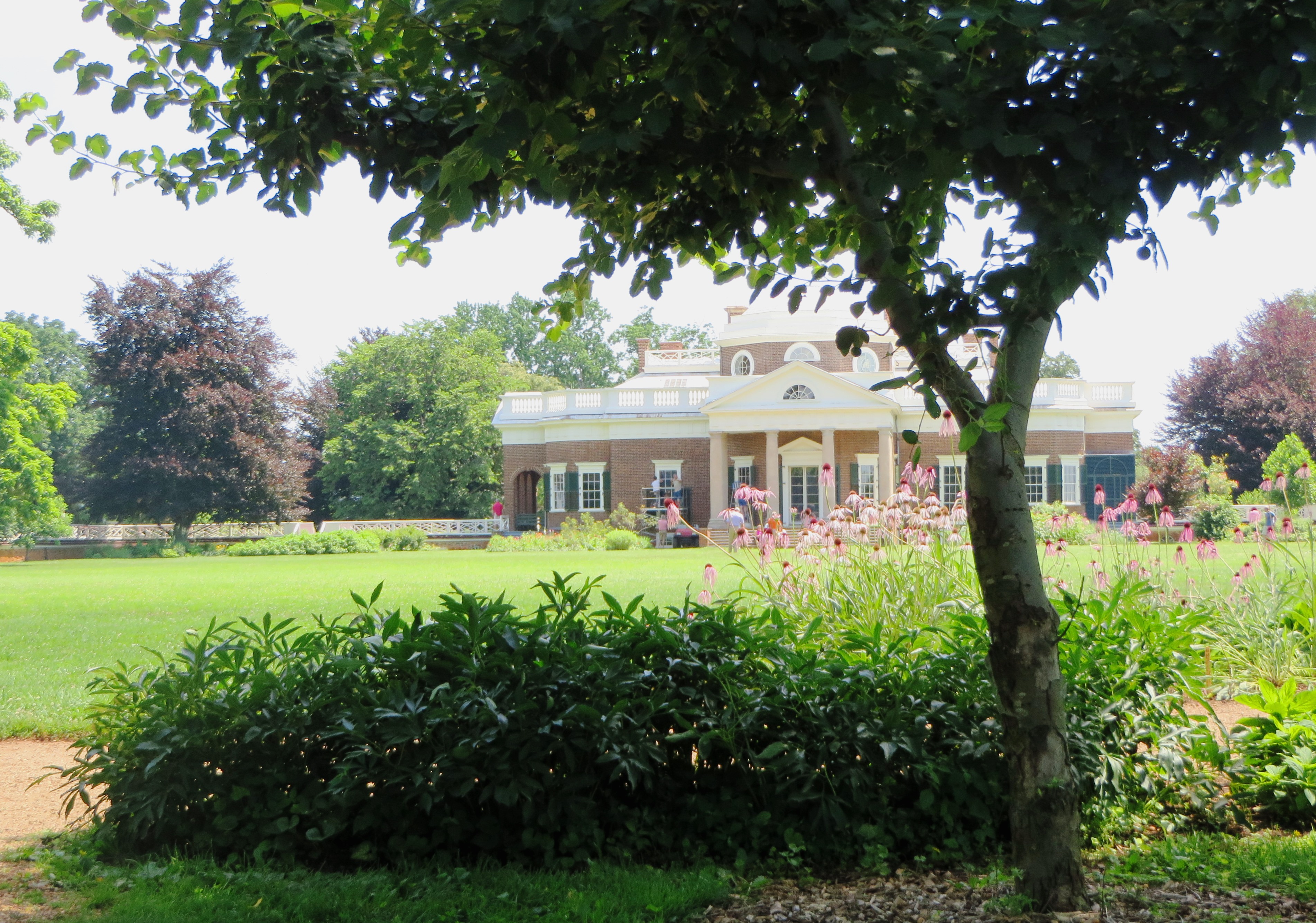
I think Jefferson would be pleased by the trees at Monticello today.
An entire forest of them was behind me where I stood to take this photo in June 2014.
“I never before knew the full value of trees. My house is entirely embosomed in high plane-trees, with good grass below; and under them I breakfast, dine, write, read, and receive my company. What would I not give that the trees planted nearest round the house at Monticello were full grown.” — Thomas Jefferson
Because military families have to relocate frequently, we learn which features we most value when looking for a new home. High on my list — perhaps at the top of it — are trees.
Even in places such as Texas and California, where trees are not as plentiful as they are in the southeast, we managed to have some beautiful ones in our yards, and nearby. Here in Virginia, it’s a bonanza for tree lovers. They are everywhere. We have a HUGE oak in the back yard of our York home that is larger than the tree planted by George Washington that I featured in the post one year ago today. Sometimes I like to imagine young Powhatan natives walking past it when it was a tiny sapling.
There’s a downside to having lots of trees, of course. They require maintenance, some of which has to be hired out at fairly expensive rates, and storms can leave a lot of debris and cleanup, or worse.
One morning after days of steady rain, I had the stunning experience of watching a very tall tree fall across the creek from the neighbor’s yard on the other side. It hit the ground with a loud BOOM and narrowly missed the roof of our detached garage, leaving a section of our back fence in splinters.
Neighbors tell us that Hurricane Isabel uprooted dozens of trees in our immediate vicinity shortly before we moved to Virginia. Our home was among many that needed roof repairs, and even though all those repairs were taken care of before we moved in, Jeff and I spent years clearing fallen trees from our wooded lot behind the yard.
I still think trees are worth the risk and expense. They provide shade to keep things cool in the summer, privacy three seasons of the year, and beautiful leaves in the fall. The birds and squirrels add entertainment, and the sound of the wind in the branches is wonderful to hear.
Do you have favorite trees near your home? What kinds of trees do you like best?
One year ago today:
This post was first published seven years ago today. The original post, comments and photo are linked, along with two other related posts, below. These links to related posts, and their thumbnail photos, do not appear in the blog feed; they are only visible when viewing the individual posts by clicking on each one. I have no idea why, nor do I know how they choose the related posts. That’s just the way WordPress does things.
A natural affinity

My siblings and I, playing in the Smoky Mountains, sometime in the mid-1960’s
“Children have a natural affinity towards nature. Dirt, water, plants, and small animals attract and hold children’s attention for hours, days, even a lifetime.”
— Robin C. Moore and Herb H Wong
One of the best ways to enjoy nature is to tag along with a child or two. They notice things we have forgotten how to see, and find fascination in what we overlook. Chances are that some of your earliest favorite memories (and probably a few not-so-happy ones) spring from your outdoor explorations.
If you have children, grandchildren or friendly neighborhood kids, try looking at the world through their eyes for a few minutes. Young people teach us in a way that makes learning fun: unintentionally, spontaneously, sometimes accidentally, but guaranteed to be interesting. What did you learn about nature as a child? What do you continue to learn about it from children?
One year ago today:
This post was first published seven years ago today. The original post, comments and photo are linked, along with two other related posts, below. These links to related posts, and their thumbnail photos, do not appear in the blog feed; they are only visible when viewing the individual posts by clicking on each one. I have no idea why, nor do I know how they choose the related posts. That’s just the way WordPress does things.


 Defeat Despair

