No way to say no
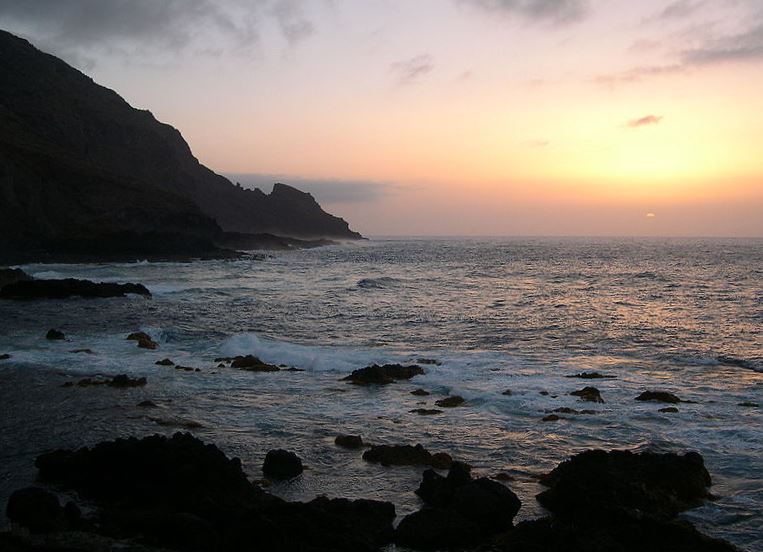
Sunrise over La Palma, Spain.
Photo courtesy of Luc Viatour http://www.lucnix.be/
And it’s going to be a day
There is really no way to say no
to the morning
Yes it’s going to be a day
There is really nothing left to say
But come on morning — Dan Fogelberg
This verse is from “To the Morning,” the first Dan Fogelberg song I ever loved, recorded in Nashville just two years before I moved there for college. It remains my favorite of his songs to this day, though there are many that are dear to my heart. More than anything else he sings, this one moves me to tears, especially during the beautiful orchestration near the end.
I listen to it now, to the wistful sound of music that is beautiful yet deeply touched with sadness, and wonder how on earth it spoke to me so many years ago when there were seemingly no real problems in my life. But listening to it brings back a time when my future was a giant question mark, when I had no idea what to expect in the years to come, and when I often felt alone, longing for a place I belonged.
From the beginning, what touched me most about the song was its admission that days can be hard to face, seasons change, and love often hurts. Yet the sun continues to rise, and life goes on. I think we understand this on some level, even from an early age.
During the most difficult periods of my life, when I awaken and dread getting out of bed, the words and music of this song often play in my mind, encouraging me to embrace the inevitable, and give thanks for it. Even when my heart is not in it, it helps to remember that there is really no way to say no to the morning.
One year ago today:
This post was first published seven years ago today. The original post, comments and photo are linked, along with two other related posts, below. These links to related posts, and their thumbnail photos, do not appear in the blog feed; they are only visible when viewing the individual posts by clicking on each one. I have no idea why, nor do I know how they choose the related posts. That’s just the way WordPress does things.
An extra

Flowers are beautifully unnecessary, and therefore intriguingly profound. August 2005
“Our highest assurance of the goodness of Providence seems to me to rest in the flowers. All other things, our powers, our desires, our food, are all really necessary for our existence in the first instance. But this rose is an extra. Its smell and its color are an embellishment of life, not a condition of it. It is only goodness which gives extras, and so I say again that we have much to hope from the flowers.”
― Arthur Conan Doyle
It’s comforting to know that even the brilliant Sherlock Holmes was taken aback by the beauty of flowers. As always, his logic is flawless, even when applied to something that defies logic. Here, he admits that the rose is a gift of divine grace, an embellishment of life that speaks of hope for greater things.
Whenever you are beset with gloom, remember the words of Holmes. We have much to hope from the flowers.
One year ago today:
This post was first published seven years ago today. The original post, comments and photo are linked, along with two other related posts, below. These links to related posts, and their thumbnail photos, do not appear in the blog feed; they are only visible when viewing the individual posts by clicking on each one. I have no idea why, nor do I know how they choose the related posts. That’s just the way WordPress does things.
The light of the past

Grady sees his Dad through the glass of his great-grandparents’ window, March 2014.
“…everything is illuminated in the light of the past. It is always along the side of us…on the inside, looking out.” ― Jonathan Safran Foer
I think it’s interesting that the rapidly accelerating understanding of genetics is co-occurring with an increase in hobbies related to ancestry. Scrapbooking, photography, genealogy, cultural studies, family reunions and organized efforts to record and document oral family histories are all around us.
It’s partly due to increased leisure time, of course, along with the advances in technology that make research and discovery more feasible than ever before. But I think it goes beyond all that. Most all of us, whether or not we realize it, are deeply connected to our family history.
We may know relatively little of our ancestors beyond the past few generations. But it’s a safe bet that almost everyone’s family tree features a dazzlingly diverse cast of characters, if only because of the way the numbers multiply so rapidly with each backward generation. Two parents, four grandparents, eight great-grandparents, 16 great-great grandparents, and so on, with countless aunts, uncles, and cousins into the mix.
All (or almost all) of us, if we look far enough into our family trees, come from a mixture of many different races, religions, nationalities, cultures, personality types, ability levels, occupations and ambitions. Some lived long, though difficult, lives (mere survival in past generations was challenging, even for the privileged, compared to today). Others never enjoyed good health and died at ages that seem tragically young to us.
Some were holy, some profane; most were somewhere in between. Some owned businesses, some worked in fields, forests or factories. Some wore suits or dresses, some wore chains. Some were creative and artistic, some diligent and methodical, some logical and analytical, and some a potent mixture of all of these things.
I don’t think the past determines who we are. I do think, though, that it casts a long shadow; that the influence of our ancestors lives on, in minute ways we cannot fully understand, and lasts for generations. Do you know much about your ancestors? I’d love to hear about them!
For me, it’s fun to wonder about past generations of whom we know only a few intriguing details, and even more fun to imagine those that we will never know about. Though we are seldom aware of it, each of us figuratively sees the world today in a light that, like rays of the sun, came from long ago and far away.
One year ago today:
This post was first published seven years ago today. The original post, comments and photo are linked, along with two other related posts, below. These links to related posts, and their thumbnail photos, do not appear in the blog feed; they are only visible when viewing the individual posts by clicking on each one. I have no idea why, nor do I know how they choose the related posts. That’s just the way WordPress does things.
Out there, waiting

One of many faraway places I dream of visiting – again, or for the first time?
Can anyone guess where this is?
“They say no land remains to be discovered, no continent is left unexplored. But the whole world is out there, waiting, just waiting for me…” ― Lisa Ann Sandell
There’s a popular saying about never being able to step into the same river twice, presumably because the river is ever-changing. If so, we can never visit the same place twice, in the absolute sense of the word “same.”
This is both a blessing and a frustration…so many places, so little time! And almost everywhere I go, I find myself saying “We’ll have to come back here sometime when we have more time…” Ah, that most frequently cited delusion: “someday when there is more time.”
In any case, it’s no wonder that travel is such an alluring prospect to so many of us. As I often tell Jeff, it takes a mighty special place to be worth leaving home to visit. But the world is full of such special places, worth seeing again and again. And don’t get me started about all the interesting people one could see in all these places!
As accustomed as you may be to your own home, the international community online means that at least a few of the people who read this might think of your home town, state or country as a dream destination or ideal place to visit. If you’d like to send some photos from your home to share, I will be happy to post them here, so we can cyber-visit there for a few seconds. The wonderful world of blogging has enabled many of us to tour the globe from home.
Whether you visit in real life or only in your imagination, I wish you the chance to enjoy many faraway places with strange-sounding names!
One year ago today:
This post was first published seven years ago today. The original post, comments and photo are linked, along with two other related posts, below. These links to related posts, and their thumbnail photos, do not appear in the blog feed; they are only visible when viewing the individual posts by clicking on each one. I have no idea why, nor do I know how they choose the related posts. That’s just the way WordPress does things.
Beautiful and terrible

Jeff with Drew at Key West, Florida, winter 1986
“Here is the world. Beautiful and terrible things will happen. Don’t be afraid.”
― Frederick Buechner
That’s it in a nutshell, isn’t it? It might seem contradictory to affirm that terrible things will happen, yet advise against fear. But I think there is a difference between feeling fear occasionally (or even often) versus being afraid. As discussed in a recent post, there can be no real courage without fear. Being courageous in spite of fear is what Buechner may have been getting at.
We’ve all known people who seem consumed by anxiety; whose major choices and daily lives are based on caution and self-preservation above all else. While it’s understandable, it’s also regrettable to think of the costs of such a defensive orientation, both to others who are denied what such people might have been able to give, and to the protected self that is closed off from joys available to bolder spirits.
If we allow fear to paralyze us, we will miss the beauty. It’s a worthy goal to see things as they are– both beautiful and terrible– and yet refuse to live in fear. So here, today, is the world– your world. I wish you appreciation of the beautiful and courage amid the terrible.
One year ago today:
This post was first published seven years ago today. The original post, comments and photo are linked, along with two other related posts, below. These links to related posts, and their thumbnail photos, do not appear in the blog feed; they are only visible when viewing the individual posts by clicking on each one. I have no idea why, nor do I know how they choose the related posts. That’s just the way WordPress does things.
The small daily differences

A few grains at a time, this tiny sand crab dug an impressive hole.
Dam Neck, Virginia, June 2014
“We must not, in trying to think about how we can make a big difference, ignore the small daily differences we can make which, over time, add up to big differences that we often cannot foresee.” ― Marian Wright Edelman
Years ago, during a baseball game when the opposing team kept making small, unexciting advances that led to a big gap in the score, I remember one announcer saying “this is like being nibbled to death by gnats.” That phrase really stuck with me, because sometimes it seems that 90% of my life (and 99% of my daily time) consists of trivial details.
Just a few examples that may be familiar to you: phone calls to schedule, change or confirm appointments– and thanks to robot callers, I get endless reminder calls for these appointments. Junk advertising in the U. S. mail, email, or annoying flyers left at the door to blow all over our yards, leaving us to retrieve and recycle them. Beds to make, breakfast to prepare, bathrooms to clean (or babies to change). Broken appliances, broken nails, broken promises from handymen who said they’d get right back to us with an estimate. Do you ever wish just ONE contact would be enough to take care of a seemingly simple matter?
Sometimes it all adds up to a day that exhausts me without leaving me the satisfaction of feeling that I’ve made any real progress on anything that matters. Then I lose more time to fretting and fuming, distracted and discontent.
At such times I have to remind myself that the process also works the other way around. As surely as continual small demands eat into our time, so tiny fragments of things accomplished add up too, whether we see it or not. I might not have gotten anything big done today, but perhaps the dozens of little things I got done aren’t as insignificant as they seem now. Life, after all, is mostly maintenance, and somebody has to do it.
I think it’s wise to evaluate and re-evaluate where we spend our time, and eliminate whatever “busywork” we can. But in the end, there will still be a lot of nagging details to attend to. We can’t very well ignore medical appointments, bills, or essential things that get broken. We’ll always have to spend some time on tasks we aren’t particularly thrilled to be doing.
But we can do these things with a (forced) smile and some fun music in the background, and reward ourselves with a cup of tea after we knock out a few repetitive obligations. We also can explore ways to use small gaps of time to address more important things. In just a few minutes, we can call a loved one who is ill or lonely, send a quick thank-you to a thoughtful person who’s made a difference for us, or make time to appreciate something lovely in our world – a flower, a bird, a favorite photo of someone special.
Most of all, we can remind ourselves not to take too seriously the movies about superheroes who save the world with amazing feats of strength. In reality, although we all long to do great things, we are mostly called to do little things, again and again, over long periods of time. This sort of faithful diligence may be as important, or more important, than any accomplishment we hear about on the evening news.
If you find you are being worn down by little things, I hope you’ll grab a few minutes of break time to relax, take a few deep breaths, and reassure yourself that a bit of wheel-spinning is inevitable. Put yourself on the National Do Not Call Registry, remove your name from junk mail lists, streamline the housework, and take steps to eliminate as many other “gnats” as you can. Then, tackle the others as you are able, giving yourself permission not to be the world’s most efficient person
Things that are big or beautiful or lasting rarely happen quickly. Over time, with patience, love and devotion, our faithfulness to small and thankless tasks can build something amazing that we can’t foresee from where we are now.
One year ago today:
This post was first published seven years ago today. The original post, comments and photo are linked, along with two other related posts, below. These links to related posts, and their thumbnail photos, do not appear in the blog feed; they are only visible when viewing the individual posts by clicking on each one. I have no idea why, nor do I know how they choose the related posts. That’s just the way WordPress does things.
Hardly a waste
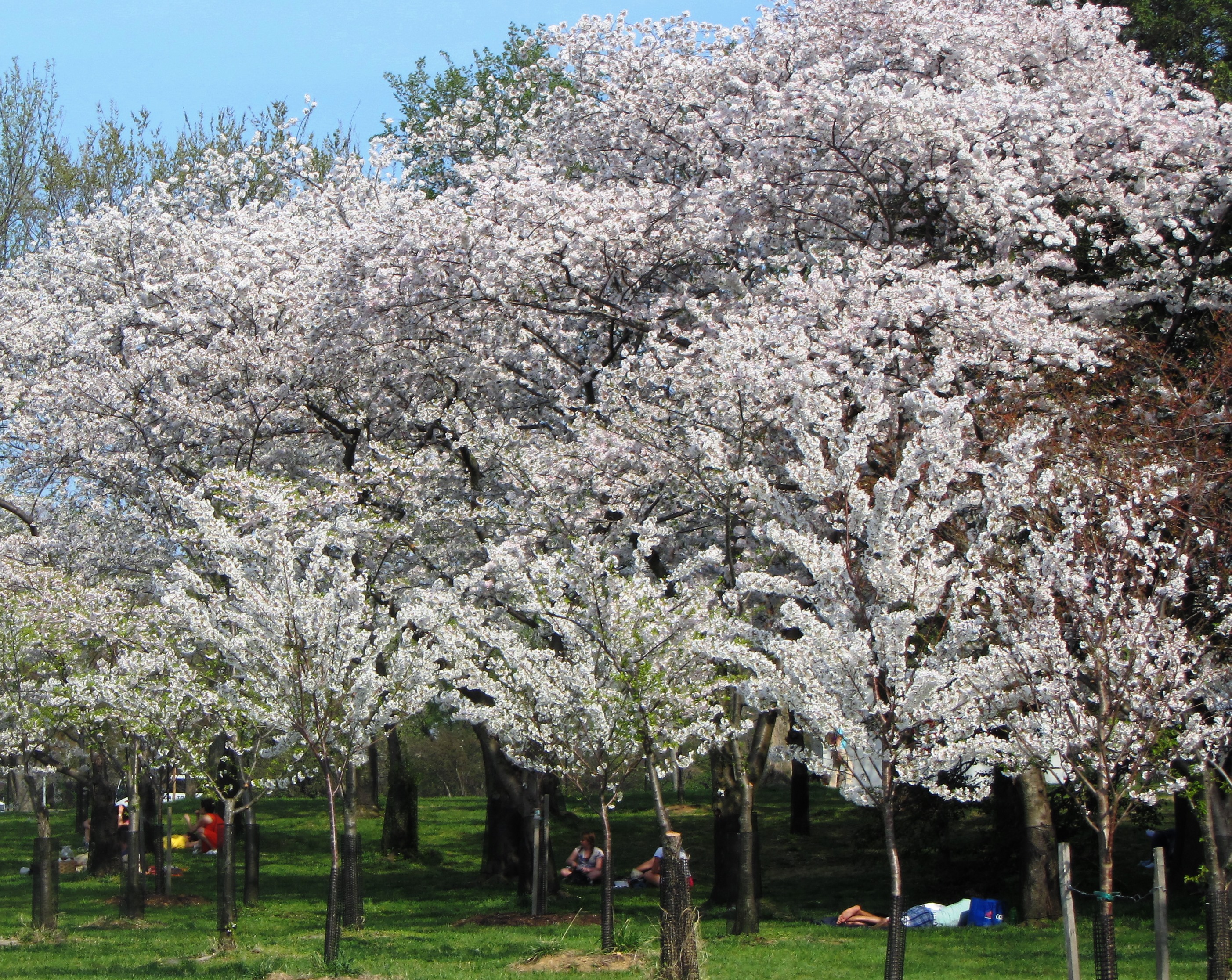
Visitors wisely invest time resting under the cherry blossoms, Washington DC, April 2013
“Rest is not idleness, and to lie sometimes on the grass on a summer day listening to the murmur of water, or watching the clouds float across the sky, is hardly a waste of time.” ― Sir John Lubbock
Rest is not optional; it’s necessary to health and sanity, but it seems we are in danger of forgetting that. Even our time off is compulsively scheduled with activities.
Nor does rest always consist of sleep, although we tend to think of it as such. “Get some rest,” we say to people in the evening, and in the morning we ask “did you rest well?” But how often have you heard anyone say “I’m headed to the park for some rest” or “I’ll be in the garden resting.”
People do collapse in exhaustion in front of the television and refer to that as “rest,” but a number of studies show that electronic stimulation is not restful, and commercial messages intrude with unwanted content, increasingly embedded into the actual productions to circumvent viewers’ attempts to delete or fast forward through them.
The advent of ever-present mobile devices only complicates the picture. When I was looking through my photos, I came across a lovely shot of a woman with her dog, sitting in the grass near the water’s edge. The dog looked sublimely happy and relaxed, but the woman’s gaze was glued to a smart phone. Was she resting? Probably not at that moment, though hopefully she tuned out for at least a few minutes, long enough to enjoy the beautiful setting.
Like most people, I feel guilty when I sit around “doing nothing,” even if I’m reading, making mental to-do lists or planning a meal. We are so programmed to think that staying busy is our responsibility, and we often confuse physical activity with accomplishment. While a healthy amount of activity is necessary and desirable, maybe we tend to overdo it.
With absolutely no vested authority, I hereby grant you permission to spend a few minutes today doing nothing but relaxing and taking in beauty. It can be time spent enjoying nature, music, poetry, art, or a playful baby or animal. What it can’t be is a task, an obligation, television, busy work or sleep.
If you find it hard to unplug from your responsibilities long enough to give your mind and body a brief time of rest, it’s a pretty good sign this goal should go to the top of your “MUST do NOW!” list. Good luck – and “get some rest!” 😀
One year ago today:
Solace, inspiration, adventure
This post was first published seven years ago today. The original post, comments and photo are linked, along with two other related posts, below. These links to related posts, and their thumbnail photos, do not appear in the blog feed; they are only visible when viewing the individual posts by clicking on each one. I have no idea why, nor do I know how they choose the related posts. That’s just the way WordPress does things.
What we become

Some of my favorite people are Daddies!
“I believe that what we become depends on what our fathers teach us at odd moments, when they aren’t trying to teach us. We are formed by little scraps of wisdom.”
― Umberto Eco
Happy Father’s Day!
One year ago on Father’s Day:
This post was first published on Father’s Day seven years ago. The original post, comments and photo are linked, along with two other related posts, below. These links to related posts, and their thumbnail photos, do not appear in the blog feed; they are only visible when viewing the individual posts by clicking on each one. I have no idea why, nor do I know how they choose the related posts. That’s just the way WordPress does things.
Carried on great winds

A seagull soars over the Atlantic Ocean at Dam Neck, Virginia, June 2014
“Sometimes I go about pitying myself, and all the time I am being carried on great winds across the sky.”― Ojibwe dream song
No matter how often I remind myself that despondency always passes, I have a remarkably hard time being the least bit optimistic when I am feeling low. I can know and remember that such times have come and gone before, but feeling the reality of that truth is a different matter. There is something pervasive and suffocating about depression, especially when it follows a great loss or trial that has left us with no energy to rise above our sadness.
Fortunately, it doesn’t depend on us to make it go away. There are times when we should take action to protect ourselves against depression by seeing a medical professional, to consider medication or counseling. But often, we can help ourselves survive if we learn to recognize and accept the changing seasons of our moods, and learn from them.
I believe that sorrow has much to teach us, and if we are willing to wait, we will emerge from it wiser and maybe even happier than we were before. Meanwhile, we can take comfort from knowing that many, many others have defeated despair, and understand how difficult the battle can be. Know that you are not alone — and ride the great winds until your wings are strong enough to fly again.
One year ago today:
This post was first published seven years ago today. The original post, comments and photo are linked, along with two other related posts, below. These links to related posts, and their thumbnail photos, do not appear in the blog feed; they are only visible when viewing the individual posts by clicking on each one. I have no idea why, nor do I know how they choose the related posts. That’s just the way WordPress does things.
Tranquility within

The lilac grove at Montreal Botanical Garden is a great place to re-visit in my mind! May 2009
“When we are unable to find tranquility within ourselves, it is useless to seek it elsewhere.”― François La Rochefoucauld
We’ve all known people who are restless and never satisfied. Often these types are blessed with better-than-average advantages in life, but they seem to end up agitated and critical no matter how many times they change scenarios. I think many of us go through phases, or at least have days, when we can sympathize with this sort of discontent.
Yet La Rochefoucauld does not speak of inner tranquility as a passive constant– note that he speaks of finding tranquility within. To me, this suggests that sometimes we do have to search for it, but we need to look first inside our own hearts and minds. Ultimately, externals do not determine whether we succeed in finding peace. Those who are continually blaming other people or tough circumstances for their unhappiness may be overlooking themselves as the most obvious influence on their own moods.
Having said that, let’s remember it’s possible to choose places, people and situations that will stack the deck in our favor when it comes to establishing a calm spirit. I hope you have at least a few tranquil places, serene people and beatific experiences to help center you deep inside when the storms rage outside. Lovely photos, soft music, scents of lavender and vanilla, a few deep breaths — there are many ways to light the path to the tranquil sanctuary we carry within us. I wish you a quick getaway to spend at least a few minutes there today!
One year ago today:
This post was first published seven years ago today. The original post, comments and photo are linked, along with two other related posts, below. These links to related posts, and their thumbnail photos, do not appear in the blog feed; they are only visible when viewing the individual posts by clicking on each one. I have no idea why, nor do I know how they choose the related posts. That’s just the way WordPress does things.
The key to failure

Bikers were among hundreds of veterans and civilians
attending a pro-USA rally in Sacramento, California, March 2003.
“I don’t know the key to success, but the key to failure is trying to please everyone.”
― Bill Cosby
“Everything I did in my life that was worthwhile, I caught hell for.” ― Earl Warren
There’s a very real difference between showing courtesy and respect to people with opposing views, versus compromising or hiding one’s own beliefs for fear of disapproval. Admittedly it’s easy to confuse the two behaviors, especially for those in fields such as entertainment or politics, where popularity is crucial to success. But even those of us who are relatively anonymous can fall into the trap of trying to please everyone.
Still, there are many people to whom we can look for examples of moral courage. Some of them are public figures, either contemporary or historic. Others are private citizens, the people we see every day. What makes them worthy of admiration is their willingness to stand by their convictions despite the certainty that criticism will result.
These people do not engage in shouting matches or seek to prove themselves superior. Rather, in quiet dignity, with confidence and without apology, they live according to high standards that don’t always match the cultural norm.
If you ever feel odd, feared or rejected because of views or behaviors that you believe to be morally right, no matter how unpopular, remember that it is impossible to please everyone. Criticism is inevitable, and popularity is not a reliable predictor of integrity.
While we all do well to examine and re-examine our standards, basing them on a higher authority than our own selfish natures, we also must bear in mind that public opinion is not always a trustworthy arbiter of right and wrong. If you are facing criticism, consider carefully before acquiescing to it. Sometimes, it might mean you’re already doing the right thing.
One year ago today:
This post was first published seven years ago today. The original post, comments and photo are linked, along with two other related posts, below. These links to related posts, and their thumbnail photos, do not appear in the blog feed; they are only visible when viewing the individual posts by clicking on each one. I have no idea why, nor do I know how they choose the related posts. That’s just the way WordPress does things.
The little steps

These tiny yellow flowers add up to form a lovely background for the larger ones.
Keukenhof, the Netherlands, March 2007
“Don’t despise the little steps you know you can take every day. There are tiny miracles in each and every one of them.” ― Israelmore Ayivor
Do you ever have days when you feel like just giving up? I do. Often. In fact, I’m having one today, which I hope will be far behind me by the time this post is published and you read it.
At such times, I tend to feel unfocused and hopeless, even desperate, seeing how many of my attempts to solve difficult problems seem to be making no difference whatsoever. I’m exhausted– out of energy, ideas and optimism. I just want to go off somewhere and escape into sleep. Unfortunately, in my life right now, that’s hardly ever an option.
Usually the only way I can dig myself out of such a pit is to do something, some little thing that I have a fairly good chance of accomplishing. It can be the dishes, or a quick note, or a phone call to schedule an appointment. But it needs to be something that I can get done in five minutes so I will be able to get some psychological oxygen before I smother in failure.
Sometimes it backfires on me when what should be a simple phone call turns into a multi-tiered robotic obstacle course (you know, the kind where you have to listen to endless menu choices to get to yet another menu, then get put on hold, then get disconnected). But usually, one small task leads to another, a trail of pebbles I can follow out of the forest as Hansel and Gretel did.
Not every day is a big-step kind of day. In fact, for me, relatively few of them are. But don’t lose faith in the tiny steps. They add up, and over time, they turn out to be the foundation for a larger success.
One year ago:
This post was first published seven years ago today. The original post, comments and photo are linked, along with two other related posts, below. These links to related posts, and their thumbnail photos, do not appear in the blog feed; they are only visible when viewing the individual posts by clicking on each one. I have no idea why, nor do I know how they choose the related posts. That’s just the way WordPress does things.
A form of fatigue

Jeff knows how to sleep well, and it is helping him survive. June 2012
“Sadness is almost never anything but a form of fatigue.”― André Gide
This is the sort of quote that provokes a bit of skepticism in me, until I think about it closely. To verify that it’s true, or at least mostly true, I need look no farther than members of my own family – and specifically, to think about Jeff and me.
One of Jeff’s greatest strengths, and a source of his amazing stamina even over the past 18 months, is his absolute insistence on adequate sleep. At times he seems aloof, almost heartless, in his determination to put away the cares, sorrows and grief of the day (which lately have been considerable for him) and fall asleep as soon as his head hits the pillow. During the worst hours of suffering related to chemo or surgery, his sleep was as impaired as I’ve ever seen it. But even through all that, I’ve never known him to spend an entire night without at least a few hours’ sleep, no matter what.
Not coincidentally, I’ve never met anyone who wastes less time on self-pity or sadness. In fact, it took me a long time to convince him that depression is quite real for some people, and I still don’t think he understands it completely, at least not in the same way that I do.
As for me…suffice it to say that sleeping well has never, ever been my greatest asset. Even when I try my best to get in bed at a reasonable hour, and even when I succeed, I don’t always sleep soundly. Insomnia has been my most consistent health concern.
I did learn the hard way, though, that insomnia– or even fairly mild sleep deprivation– predisposes me to all manner of gloom, sadness and depression. (Not to mention falling asleep at the wheel when I’m driving.) Having already had more of such than I want in one lifetime, I have learned to be fiercely protective of my sleep.
A few things I’ve learned: it’s best to turn off the computer in the early evening. It helps to eat Greek yogurt before bedtime. Delta-wave sleep CDs, sleep masks (to block out the light, even when it’s mostly dark) and a sauna session followed by a nice bath have all been remarkably effective for me, to my surprise. Not perfect, but better than a dependence on nightly medication. However, if forced to choose, I’d go for medication occasionally rather than endure more than a night or two of consecutive, refractory insomnia.
If you find yourself feeling down or more sad than usual, take a close look at your sleep. If it has been less than ideal, try prioritizing sleelp for awhile, and see if a good bit of the sadness doesn’t resolve with that intervention alone. If you’ve got any helpful tips for us on how to improve sleep, including ways for those of us who are night owls to get ourselves into bed at a reasonable hour 😀 we’d love to hear them!
OK, as I write this, it’s 4:30 p.m. and I’m signing off the computer for the day (I hope) — pleasant dreams!
One year ago today:
This post was first published seven years ago on June 20. The date was adjusted for this re-posting to allow the Father’s Day post from seven years ago to appear on that day this year. The original post, comments and photo are linked, along with two other related posts, below. These links to related posts, and their thumbnail photos, do not appear in the blog feed; they are only visible when viewing the individual posts by clicking on each one. I have no idea why, nor do I know how they choose the related posts. That’s just the way WordPress does things.
A vast university
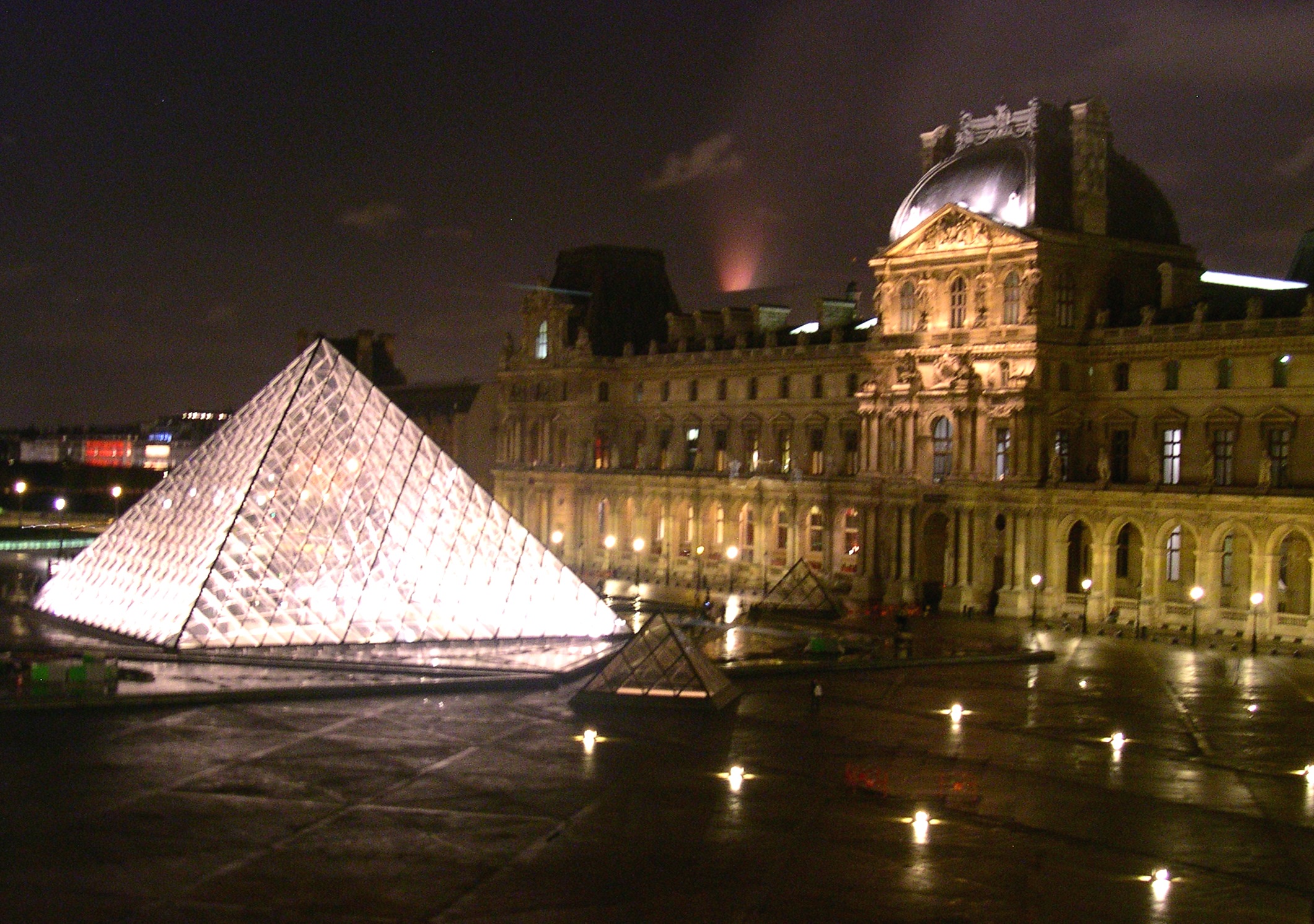
The Louvre at night, August 2005
“The whole of Paris is a vast university of Art, Literature and Music… it is worth anyone’s while to dally here for years. Paris is a seminar, a post-graduate course in everything.”
— James Thurber
People who love Paris and didn’t love school might not agree with Thurber, but I connected with his description immediately. Or in the words of Joni Mitchell, “…in Paris, I felt unfettered and alive.” The idea of dallying there for years sounds very appealing to me, not least for the chance to practice speaking and hearing one of the world’s most beautiful languages.
I heard a lot of bad press about Paris before I finally went there in 2005, but none of the negative stories turned out to be true. For me, it was one of the most enchanting places I’d ever been. And besides all the things Thurber lists, there’s the FOOD…
Where do you dream of being able to “dally for years?”
One year ago today:
This post was first published seven years ago today. The original post, comments and photo are linked, along with two other related posts, below. These links to related posts, and their thumbnail photos, do not appear in the blog feed; they are only visible when viewing the individual posts by clicking on each one. I have no idea why, nor do I know how they choose the related posts. That’s just the way WordPress does things.
With looks and money

Jeff brought these home recently, and I photographed them before I ate them. May 2014
“A fruit is a vegetable with looks and money. Plus, if you let fruit rot, it turns into wine, something Brussels sprouts never do.” — P. J. O’Rourke
I love fruit! A good, ripe nectarine or some cold watermelon can instantly improve a hot summer day (or even a cold winter day, assuming such fruits were available then).
Lately, Jeff has been bringing home lots of strawberries in big containers, even though I’m the only one in the family who eats them regularly. After giving them several washings that would pass any OCD pesticide-phobic overly finicky person’s requirements (not that I’m any of those things) I cut up the ones I haven’t eaten yet and stash them in the refrigerator for the next several hours that might pass before I eat the rest of them.
As impossible as this is for me to comprehend, when I open the fridge door looking for a snack and see them sitting there chilled, washed and ready to devour, they actually look better to me than ice cream, even the kind of ice cream with huge globs of fudge embedded into it. Not to mention, the strawberries are much prettier than ice cream. Or maybe I just like red?
What fruits do you most enjoy eating? I hereby grant you permission to go out and buy yourself some, even if they aren’t on sale. Just be sure to wash them VERY WELL before diving in!
One year ago today:
This post was first published seven years ago today. The original post, comments and photo are linked, along with two other related posts, below. These links to related posts, and their thumbnail photos, do not appear in the blog feed; they are only visible when viewing the individual posts by clicking on each one. I have no idea why, nor do I know how they choose the related posts. That’s just the way WordPress does things.
For the good guys

Peggy (at right), her instructional assistant and preschool class in Oahu, Hawaii, 1996
(Yes, people really did go barefoot at school there sometimes, or at least used to!)
“Unfortunately, it is often the bad guys who play the leading roles in our memory…Let’s write a script for the good guys…It will be a musical, full of drama, laughter and tears, sorrows and triumphs, and it will end with a joyful song of praise and thanks.”
— Barbara Gill, in Changed by a Child, a book for parents of children with disabilities
Today’s post honors someone who likely will never see it, because she is that rare creature (rare in my world, anyway) who spends absolutely no time online. Despite being active in professional and community endeavors at home and abroad, and maintaining homes in Mississippi and Hawaii, she has no email or online accounts. She’s unusual in at least one more way; read on to find out why.
We met Peggy at church while we lived in Hawaii. We clicked instantly. As a special education preschool teacher with decades of experience, Peggy understood a great many things about our life that others don’t get close enough to see or know. I have watched her in her classroom, where she approached teaching with a tireless diligence that is essential when the teacher is also, in many senses, a caregiver whose curriculum includes goals such as toilet training and hygiene skills alongside reading and other academic lessons.
Peggy loves life, travels frequently, lives reverently and serves anyone who crosses her path, along with some who do not. I love it that she is as frugal and adventurous as I am, and has been able to see the world on a teacher’s salary. She became a faithful friend and favorite traveling companion, and though we had to cancel our planned trip to go ride the mules together in Molokai, we did manage to squeeze in some fun day trips.
After we left Hawaii, she came to see us in California and Virginia, staying in touch between visits via the good old-fashioned method of handwritten cards and letters (and occasional phone calls, though this has been trickier since both of us divide our time between two homes with a potential six-hour time difference, and it’s hard to keep up with who is where, when).
When I first called Peggy to tell her of Jeff’s diagnosis, it was an emotional call for both of us, and we did not stay on the phone very long. But just a few days later I got a pages-long, handwritten letter from her, offering heartfelt words of sorrow, comfort and support. She then asked us to allow her to plan a time when she could come up and stay with Matt, so that Jeff and I could have something we have had very little of over the years: time alone together. She gave specific details of when she would be available and asked for (and later called to get) a response so we would know she meant business.
In nearly 30 years since Matt came into our lives, very few people other than Drew have ever done this for us. Specifically, two people. (Thanks, Ashley B., for being the other one – and we may yet take you up on it!) Interestingly, both of them are people we met at church in Hawaii. Ashley is a busy wife and mother of young children whose whole family is now living in a distant mainland state. We have not seen them since we left Hawaii in 1996. Yet here she was, as soon as she learned of Jeff’s diagnosis, offering (via Facebook messages) a very generous form of practical help. There must be something about that aloha spirit that stays in the heart.
Anyway, as Raynard says, I digress…when Peggy made it clear that she did not intend to take “no” for an answer, we arranged everything. Though we offered to buy her a plane ticket, her wonderful husband Sam (a real sweetheart) drove her up from the gulf coast of Mississippi all the way to Virginia. She stayed with Matt here in Alexandria for ten days, while Jeff and I got some much-needed flooring work done on our York home, the high-dust, high-inconvenience sort of stuff that can’t really be done when people have to use the kitchen. And we did enjoy our time together.
When we got back, it was clear that Peggy had done far more than park Matt in front of the television when he got home from work each day. She left behind a lot of impressively improvised instructional materials and skill-building games, along with a happy, healthy Matt who had clearly relished the attention she showered on him. Wow. Just, Wow.
As I write this, Peggy is in Kenya, volunteering in preschools and children’s homes there. I admire and love her for this, but to be honest, we know many wonderful people who do such work. We know of only one other who was willing to do for us what Peggy did. Now, I realize many will say “Yes, but she’s a special education teacher, of course she is able to do that.” To which I say: if you had just retired from nearly four decades teaching special ed preschool, would ten days of 24-hour caregiving be on your “to-do” list at all?
Besides, as Eleni, Darla, Mari and my sister Carla could all tell us, it doesn’t require any special expertise to connect with people with disabilities. What it takes is the will to do it, and the kind of love that is more than a warm fuzzy feeling inside.
Thank you, Peggy! Thank you, Ashley! Thank you, Eleni, Darla, Mari and Carla! And thanks to all of you out there who fill such gaps in the lives of people you love. You probably will never know quite how much it means, but I pray you will be eternally rewarded for your love.
One year ago today:
This post was first published seven years ago today. The original post, comments and photo are linked, along with two other related posts, below. These links to related posts, and their thumbnail photos, do not appear in the blog feed; they are only visible when viewing the individual posts by clicking on each one. I have no idea why, nor do I know how they choose the related posts. That’s just the way WordPress does things.
A morning inside you
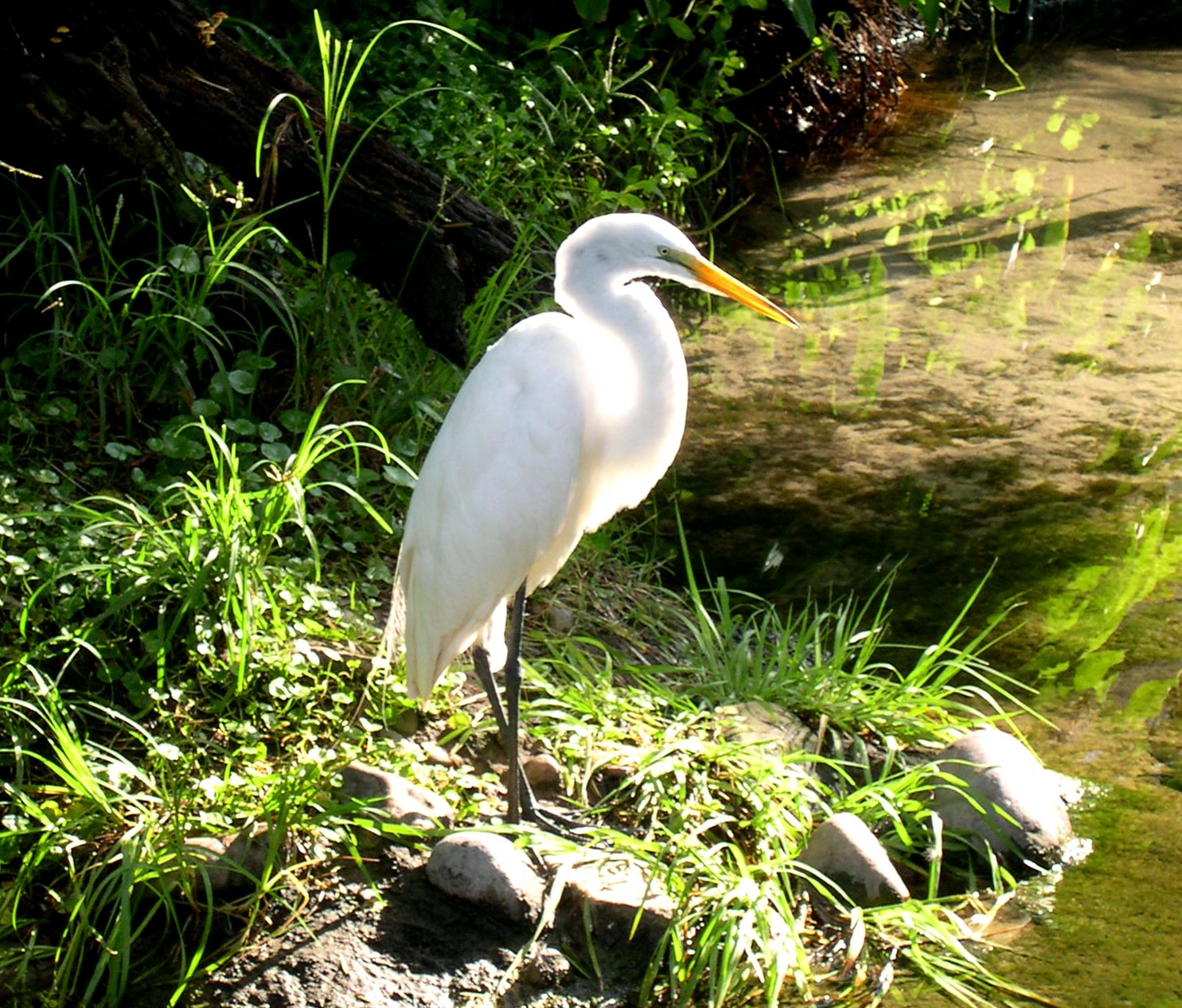
A white heron catches the light at Disney World, August 2003.
“There is a morning inside you waiting to burst open into Light.” — Rumi
One recent morning, when I was up early, I stepped out onto our deck and was surrounded by the beautiful song of birds and the sound of the nearby creek flowing. Since I had the time, I grabbed my camera to catch just a few seconds of the sound. A few seconds is all I got, because my memory card was too full for anything more.
How like life. It’s just too full of unattended business to savor as much of the gorgeous wealth around me as I would like to savor. Perhaps if I cleared my video card more often, I would have room to capture moments such as this. Perhaps if I cleared my life of onerous busy work, I would have more time for beauty.
But perhaps a few seconds are better than nothing. Perhaps a few seconds are perfect.
Here is the clip, embedded below. I hope these few seconds are refreshing to you, as they still are to me.
One year ago today:
This post was first published seven years ago today. The original post, comments and photo are linked, along with two other related posts, below. These links to related posts, and their thumbnail photos, do not appear in the blog feed; they are only visible when viewing the individual posts by clicking on each one. I have no idea why, nor do I know how they choose the related posts. That’s just the way WordPress does things.
To this day

At the Trevi Fountain in Rome, May 2008.
We threw our coins, so we hope the legend comes true for us!
“Our wedding was many years ago. The celebration continues to this day.”
— Gene Perret
This month Jeff and I celebrate our 34th wedding anniversary. Each year for us is a distinct milestone now, and with each anniversary that passes, we have more reasons to gratefully celebrate that we are still here together, living and loving through whatever comes.
Life really is (or at least should be) a continual celebration. As with all celebrations, there are those less-than-pleasant details that go along with anything festive: laborious planning, budget realities, last minute complications, crushing disappointments, people who are unexpectedly absent and sorely missed.
Yet there are all the rewards that make the challenges worthwhile: laughter, love, the joy of lasting friendships, new arrivals to the party, delightful surprises, and a feeling of happy exhaustion as the production winds down.
Whatever milestones or special moments we may observe this month or this year, I hope we can carry a festive spirit with us into each day we are granted. What do you have to celebrate today?
One year ago today:
This post was first published seven years ago today. The original post, comments and photo are linked, along with two other related posts, below. These links to related posts, and their thumbnail photos, do not appear in the blog feed; they are only visible when viewing the individual posts by clicking on each one. I have no idea why, nor do I know how they choose the related posts. That’s just the way WordPress does things.
Near the water’s edge
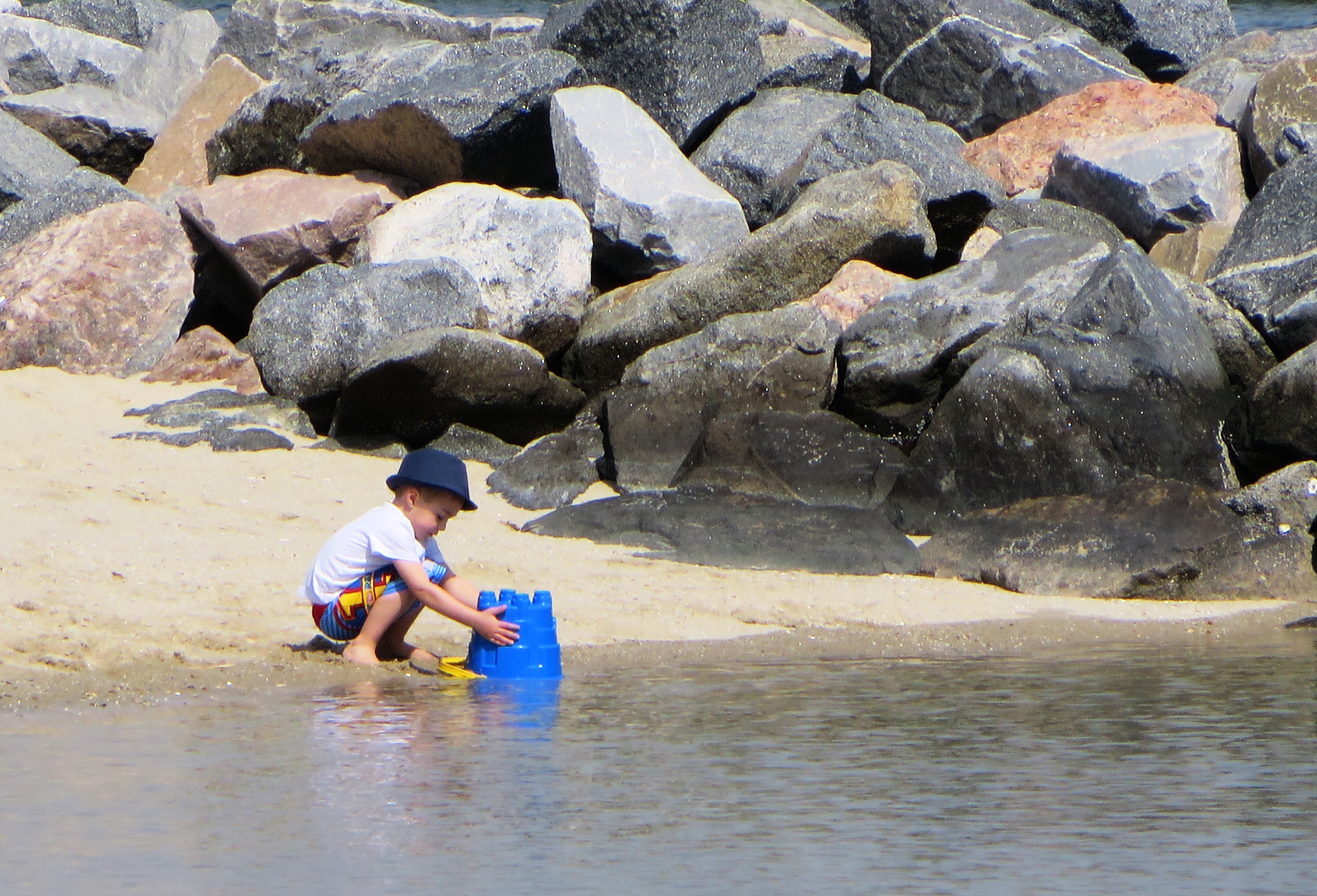
This young boy was too busy to notice I was taking photos of him as he worked.
At the beach at Yorktown, Virginia, March 2014
“Children instinctively choose to build near the water’s edge knowing that the water to sand ratio is vital, and I believe that they also know that at the end of the exercise their hard work will be reclaimed by the incoming tide. Even very young children know that they cannot take their creation home – I have never seen a child having a temper tantrum because it has to stay there…” — Niki Buchan
Recently I was chatting via Skype with a few of my fellow bloggers, and one of the things we talked about is how children’s play is their work; the way they learn about the world, and about life. For a child, play has much to teach.
At the beach, perhaps we too can learn from watching children building their sandcastles. As Buchan points out, they must find just the right mixture of sand and water to allow shaping a structure strong enough to stand firm until they complete their project. This often involves a good bit of trial and error. They labor with focused attention to produce something that likely will be gone by the end of the day, a work of art neither they nor anyone else will ever own. Clearly, the process is what they value more than the product.
Balancing elements, working for the joy of it, then letting go without sadness or regret…a lot to learn in an afternoon spent at play. I hope we can channel some of these same lessons as we go about the tasks that make up our days.
One year ago today:
This post was first published seven years ago today. The original post, comments and photo are linked, along with two other related posts, below. These links to related posts, and their thumbnail photos, do not appear in the blog feed; they are only visible when viewing the individual posts by clicking on each one. I have no idea why, nor do I know how they choose the related posts. That’s just the way WordPress does things.
Age has no reality
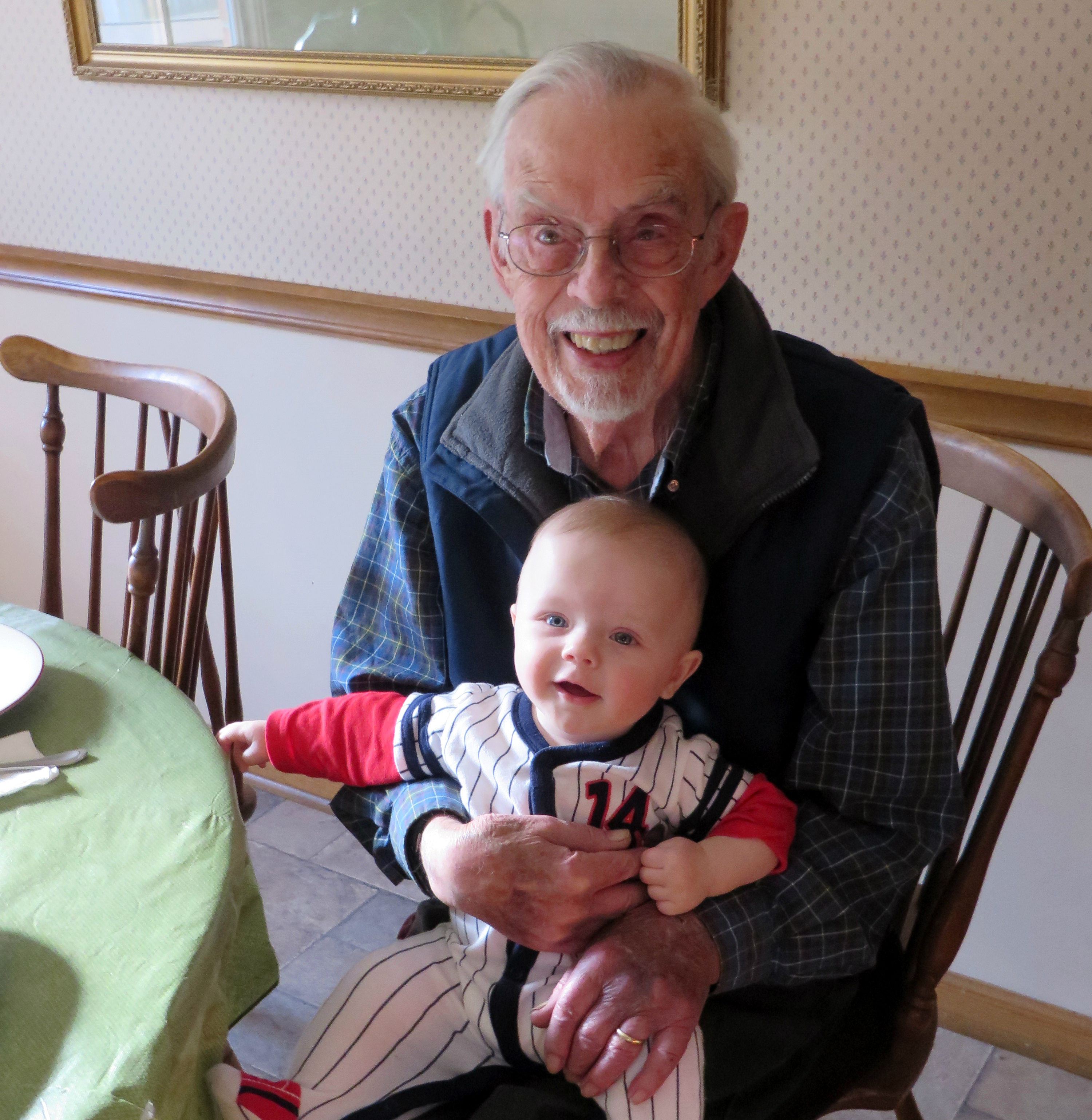
Daddy with Grady, January 2014 – less than 86 years difference between them!
“Age has no reality except in the physical world. The essence of a human being is resistant to the passage of time. Our inner lives are eternal, which is to say that our spirits remain as youthful and vigorous as when we were in full bloom.”
— Gabriel García Márquez
Ah, but the physical world is so real and powerful to us; it’s the “very persistent illusion” that Einstein described. Even if we agree with Márquez, or at least want to agree with him, we may find ourselves at the mercy of fatigue and frustration as our physical bodies weaken with age.
Yet it can take so little to open our eyes to the truth of the bold words quoted above. The refreshment of a spring breeze, the notes of a beautiful song, the laughter of a baby — in seconds we are young again inside, if only for a moment. Our essence is indeed resistant to the passage of time, and this is a powerful argument for the author’s assertion that our inner lives are eternal.
Today, I invite you to live out the claim that “age has no reality except in the physical world.” Seek out the words, sounds, sensations and sights that touch the youthful vigor of your spirit. And remember – if eternity means “always and forever,” that means it has already begun, and you are part of it! It’s a thrilling and sobering thought.
One year ago today:
This post was first published seven years ago today. The original post, comments and photo are linked, along with two other related posts, below. These links to related posts, and their thumbnail photos, do not appear in the blog feed; they are only visible when viewing the individual posts by clicking on each one. I have no idea why, nor do I know how they choose the related posts. That’s just the way WordPress does things.
Living forward

It’s okay to look back, but keep moving forward.
Jeff explores the Mayan ruins near Cozumel, Mexico, March 2011
“Life can only be understood backward, but it must be lived forward.”
— Søren Kierkegaard
We’ve talked often here about the importance of surrendering the idea of control, and learning to make the best of whatever comes. Setting a course for the future is wise and even necessary, but any plans we make are based on partial information about circumstances we have no way of fully knowing in advance. Expecting perfect forecasting is asking the impossible of ourselves.
Often we hear or say “I just don’t understand why all this is happening.” Of course we don’t! How could we? It’s usually not important for us to understand anyway. It’s far more beneficial to say “I don’t know what I should do about this,” and then seek wisdom through prayer, information, contemplation, and talks with trusted friends and advisors.
Life doesn’t always make sense to us. But we don’t have to understand everything to make good decisions and wise choices. I think we’re more able to cope when we aren’t distracted by getting stuck on unanswerable questions.
If you ever find yourself spinning your mental wheels over issues you can’t control, or fretting over a difficult challenge, or overcome with sorrow at a loss or failure — give yourself permission to go forward anyway, without needing to understand it completely. If we do the best we can with what we have, one day at a time, we often will be able to look back years later and see meaning that may elude us now.
One year ago today:
This post was first published seven years ago today. The original post, comments and photo are linked, along with two other related posts, below. These links to related posts, and their thumbnail photos, do not appear in the blog feed; they are only visible when viewing the individual posts by clicking on each one. I have no idea why, nor do I know how they choose the related posts. That’s just the way WordPress does things.
Your great-grandmother wouldn’t
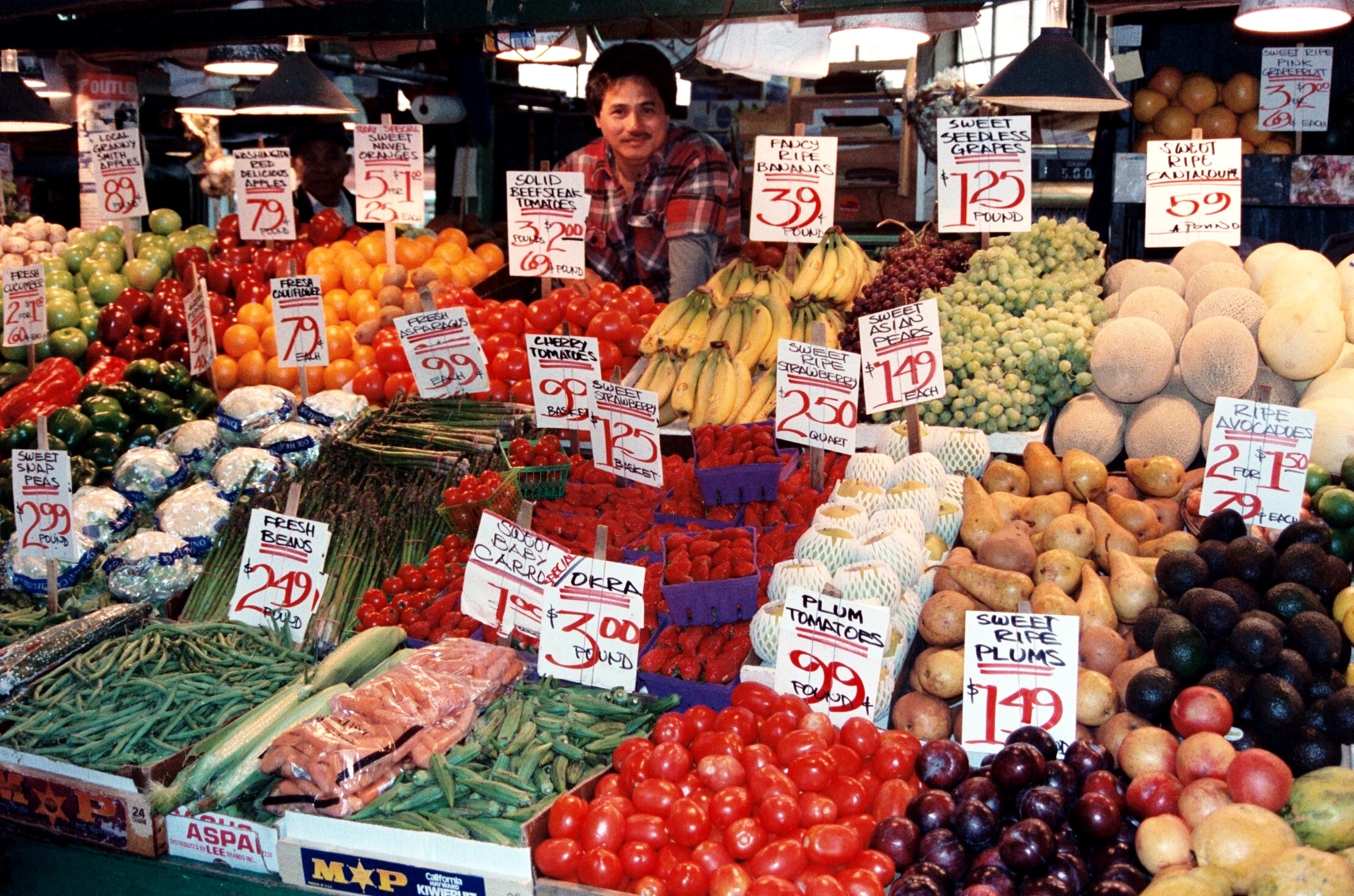
Gorgeous nourishment from nature’s menu at Pike Place Market, Seattle, April 1993
“Don’t eat anything your great-grandmother wouldn’t recognize as food.”
— Michael Pollan
As a carb-craving sweet-toothed treat junkie, I must admit that learning to eat my vegetables has been an ongoing effort for me. There are a few I really enjoy: tomatoes, spinach, corn on the cob, field peas or most other legumes, preferably fresh from the garden. But many of the highly nutritious varieties don’t appeal to me. Eggplant, broccoli, beets, Brussels sprouts and most types of greens are among the foods I’d rather avoid.
Fruits are a different matter. There are none I really dislike, and many are near the top of my favorite foods list (and yes, I know a tomato is technically a fruit). So I tell myself I can make up for my veggie deficit by eating more fruits . I’m not sure how true this is, but I hope it’s at least a step in the right direction.
I have noticed, though, that the more I eat wholesome, natural foods, the less I enjoy junk. After years of being a fast food fan, I eventually lost my taste for most of it, though I probably will always love Taco Bell. Most “junk foods” no longer appeal to me at all, except for Cheez-its. I can honestly say the photo above looks more appetizing to me than a photo of potato chips, French fries or pastries would. OK, not better than a photo of ice cream or cookies, but I’m working on that.
One rule of thumb I adopted long ago is to avoid anything for which the ingredient label is very long and has lots of words I can’t pronounce. This rule alone eliminates much of what passes for food in a modern grocery store. Cutting out anything with artificial flavors, colors or preservatives shortens the list even more. But I don’t miss any of those things now.
When I cut out a great many of the so-called convenience foods, I discovered they really weren’t so convenient after all. Lots of them involve microwaving, stirring, covering or uncovering, microwaving again, or other multi-step directions. And have you ever noticed, given the long lines inside or at drive through windows, fast food really isn’t fast anymore?
As with so many other aspects of contemporary life, we may have picked up some eating habits that were more influenced by advertisers and rushed living than enjoyment and sanity. Re-learning the way we think about food doesn’t come easily– at least it hasn’t for me– but the rewards are better health, more enjoyment and often (surprise!) monetary savings as well.
I hope you will let today’s photo inspire you to enjoy something fresh, locally grown and simple in place of something that comes in a package with a label. Your great-grandmother would be proud!
One year ago today:
This post was first published seven years ago today. The original post, comments and photo are linked, along with two other related posts, below. These links to related posts, and their thumbnail photos, do not appear in the blog feed; they are only visible when viewing the individual posts by clicking on each one. I have no idea why, nor do I know how they choose the related posts. That’s just the way WordPress does things.
The invisible crop
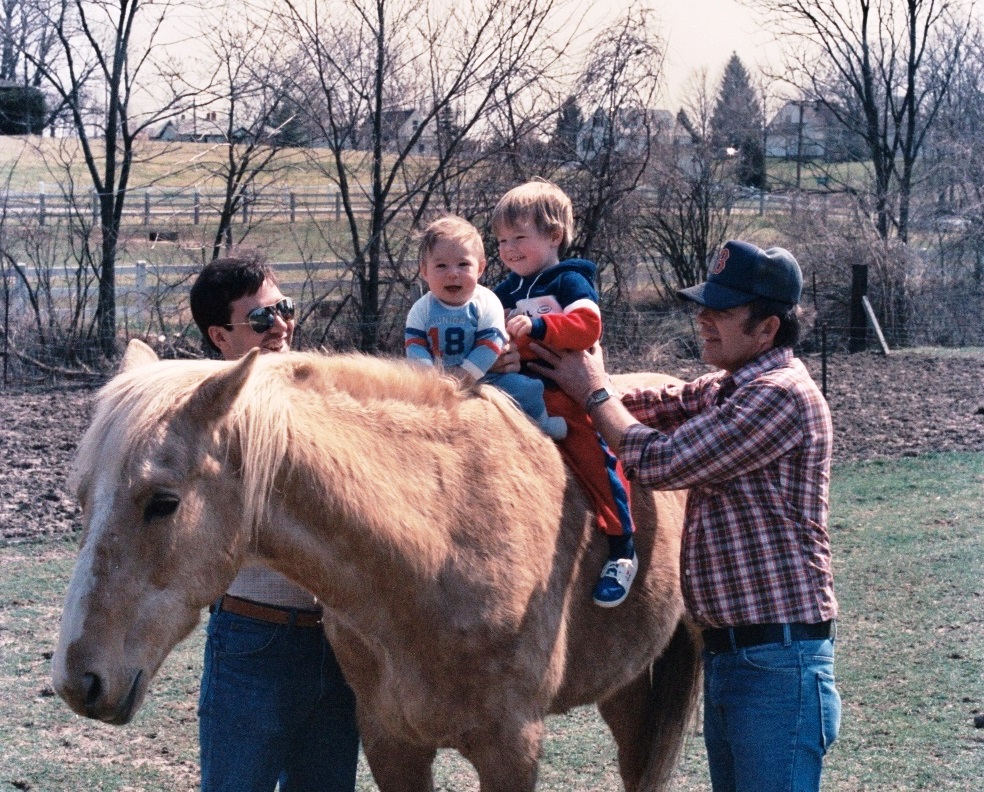
Jeff, Matt and Drew at a friend’s farm in Dayton, Ohio,
our first Air Force assignment. Late summer, 1986
“…when you give yourself to places, they give you yourself back; the more one comes to know them, the more one seeds them with the invisible crop of memories and associations that will be waiting for when you come back, while new places offer up new thoughts, new possibilities. Exploring the world is one the best ways of exploring the mind…” ― Rebecca Solnit
Moving frequently entails a lot of sacrifices, but the rewards can be even greater. Though I often wished we lived closer to our extended families, or lived in a place long enough to build our own home the way we wanted it, or didn’t have to settle into new communities, churches and schools, I never regretted being an Air Force family.
Whatever we lost to relocation we gained in other aspects of life. In fact, looking back, it’s almost as if we lived several lives, one for each place we were based. Each location had its joys and sorrows, its unique terrain, climate and personality, and its own cast of characters, many of whom remain dear to us to this day.
In one sense, we “can never go home again,” but we leave invisible traces of ourselves in each place we have lived, and come away as different people than we would have been without our experiences there. When we return, a thousand forgotten moments come flooding back, and the past becomes dimensional and real to our present.
What places live on in your memory? Where have you found that exploring the world means exploring your own mind?
One year ago today:
This post was first published seven years ago today. The original post, comments and photo are linked, along with two other related posts, below. These links to related posts, and their thumbnail photos, do not appear in the blog feed; they are only visible when viewing the individual posts by clicking on each one. I have no idea why, nor do I know how they choose the related posts. That’s just the way WordPress does things.
The ideal of calm
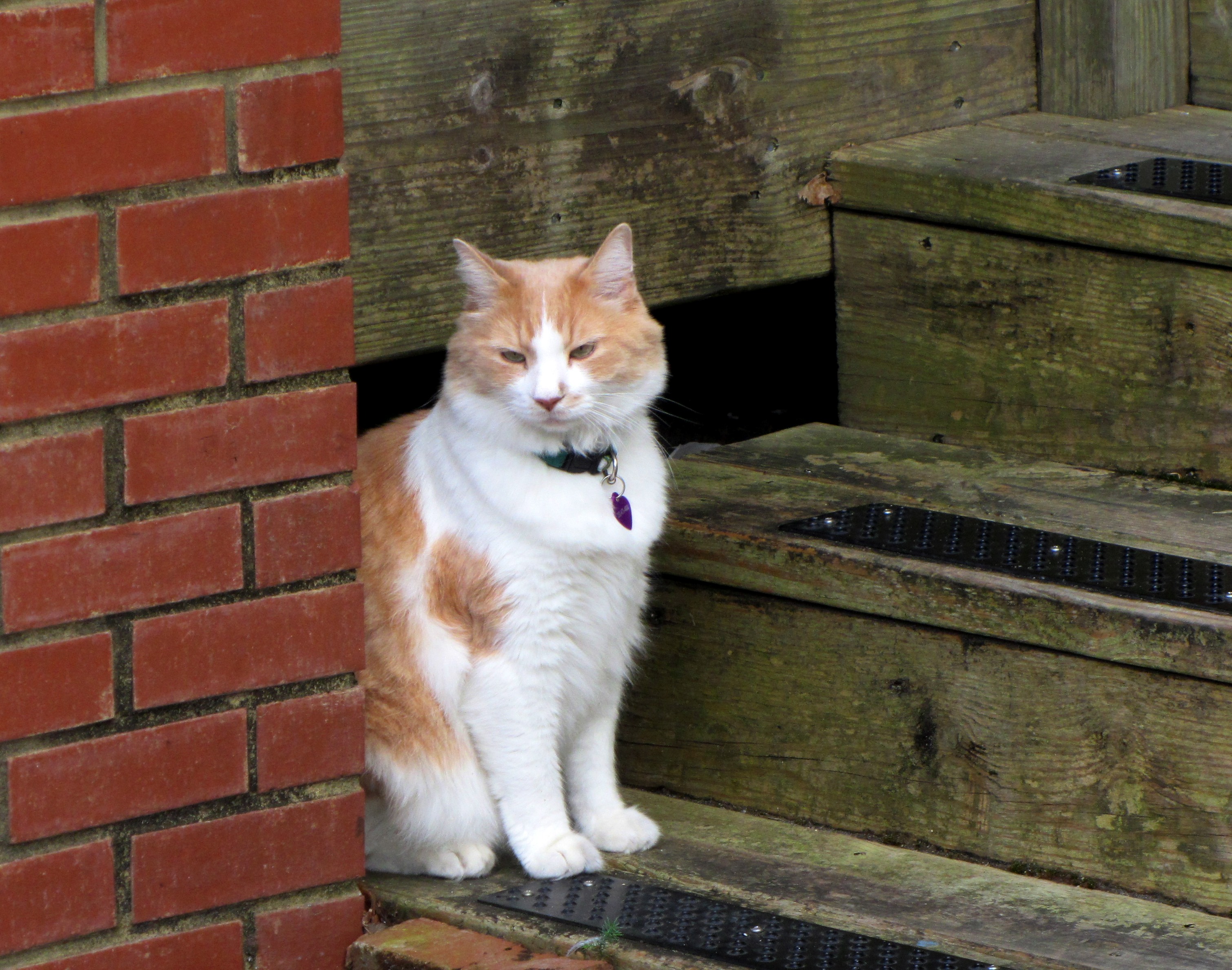
I met this contemplative kitty while strolling on Roanoke Island, September 2013.
“The ideal of calm exists in a sitting cat.” ― Jules Renard
A year ago today, my post was about the exotic and mostly unknown world of undersea creatures. Today I’m thinking of the wonders that are often hiding in plain sight, among animals we see so often that we scarcely notice them.
Dogs, cats, birds, squirrels and rabbits…you probably see at least one of these furry or feathered friends every day. Today I hope you’ll take a few minutes to look a bit more closely, and see what they might have to teach us.
Cats, of course, are masters of the art of relaxation. Dogs excel at lavishing affection, or at least interest and attention, on humans. Most birds and squirrels seem to have boundless energy; I can’t picture one looking lazy. And rabbits can be the most unobtrusively intrusive, adorable but annoying animals around, if one is trying to grow something they find tasty. Their cuteness is such that I can’t really get angry at them no matter what they consume. I wish I could borrow their ability to appear harmless and cuddly while behaving disruptively.
While few creatures can match the contagious calm radiated by a sitting cat, watching almost any kind of animal is a great stress-buster. When things get a little too overwhelming, practice seeing the world through non-human eyes for a few minutes. It might be just the perspective you need.
One year ago today:
This post was first published seven years ago today. The original post, comments and photo are linked, along with two other related posts, below. These links to related posts, and their thumbnail photos, do not appear in the blog feed; they are only visible when viewing the individual posts by clicking on each one. I have no idea why, nor do I know how they choose the related posts. That’s just the way WordPress does things.
The articulate audible voice

Booksellers at the Dickens Fair sell “contemporary” Victorian selections.
San Francisco, California, December 2002
“In books lies the soul of the whole Past Time: the articulate audible voice of the Past, when the body and material substance of it has altogether vanished like a dream.”
— Thomas Carlyle
There’s at least one realm where the past, present and future really do co-exist, and that is in the world of books. Popular authors of historical nonfiction, such as Barbara Tuchman and David McCullough, use skillful storytelling to shed light on the past and how it can influence our lives now and in years to come.
If you’ve ever read a novel that takes you back to the past and brings it to life in your mind, it’s safe to assume the author did extensive research while writing. Despite the occasional anachronisms and other historical errors (which are likely to become more common now that many books are published without the in-house editing that once preceded publication), I’ve found that most authors exhibit an impressive knowledge of the period inhabited by their characters. The enduring popularity of historical fiction argues against the commonly-heard assertion that history is boring and irrelevant.
To really travel back in time, though, nothing beats reading the works of authors who wrote of their own time so skillfully that their works became classics. It’s illuminating to view an era through the eyes of its contemporaries, who wrote without benefit of hindsight or today’s politically correct censorship (Mark Twain’s works are consistently among those most frequently challenged in libraries).
Recent historical novels often feature characters created to appeal to modern sensibilities, but I sometimes wonder whether this represents an unlikely distortion of the social and political climate that would have been pervasively influential. The characters who lived in the same era as the authors who created them are arguably more authentic than even the most well-researched invention of a modern author.
If you’ve enjoyed a historical novel set in a time recent enough to make this possible, here’s an idea to try: seek out a novel that was written during that same era, set in the period in which it was written. How do the two compare? If you enjoy nonfiction, drama or poetry, you have a much greater span of centuries from which to draw comparisons with recent literature; pretty much all of recorded history includes examples of these forms that survive to this day.
It’s hard to say how future authors might portray our own time, but probably there will be at least a few exaggerations, omissions or misunderstandings. Were we around to read them, they might prompt us to say “But it wasn’t really like that!” I hope that many of today’s literary voices will survive and be read for generations to come. An articulate, audible voice from the past will always have an authenticity that can’t quite be duplicated, however well it is imitated.
One year ago today:
This post was first published seven years ago today. The original post, comments and photo are linked, along with two other related posts, below. These links to related posts, and their thumbnail photos, do not appear in the blog feed; they are only visible when viewing the individual posts by clicking on each one. I have no idea why, nor do I know how they choose the related posts. That’s just the way WordPress does things.


 Defeat Despair
