Good thoughts
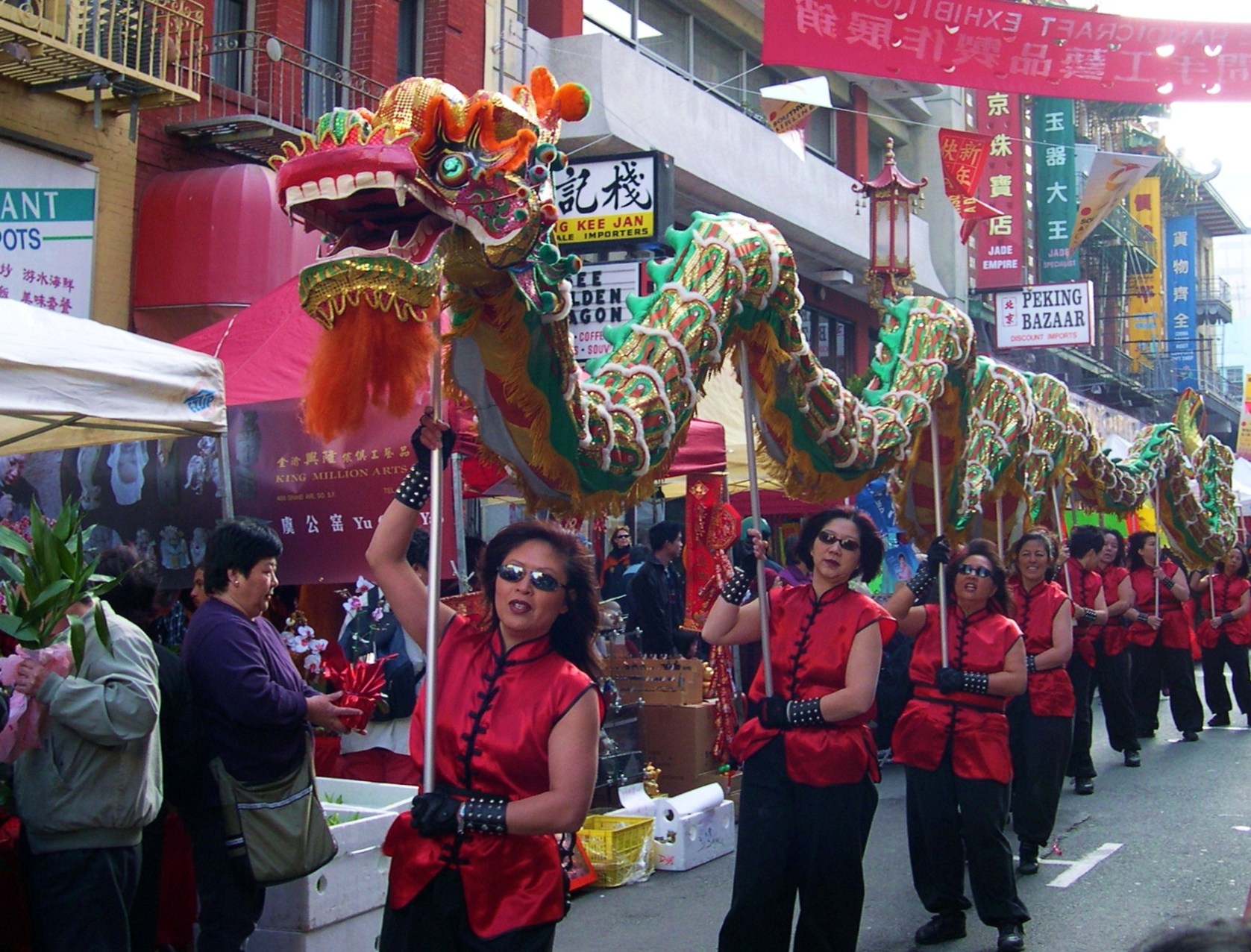
The Chinese New Year dragon in Chinatown, San Francisco 2004
“The more man meditates upon good thoughts, the better will be his world and the world at large.” — attributed to Confucius
In honor of Chinese New Year, I thought it would be appropriate today to feature this quote from one of the most famous philosophers of all time. This blog was started to help me stay focused on all that is good, and it has made my world better to read through so many inspiring authors’ work in search of quotes to include here. I hope that, in some small way, this has also made the world at large a bit brighter for those who stop by. Thanks so much to everyone for the visits, comments, good wishes and prayers that have made the past few months easier to bear. I hope you will continue to visit us here. 新年快乐 – Happy New Year!!
This post was originally published seven years ago today. You can view the original with comments here.
A book of holy teaching

A baby Robin that has just left the nest, photographed on our front lawn in 2005
“If thy heart were right, then every creature would be a mirror of life and a book of holy teaching. There is no creature so small and abject, but it reflects the goodness of God.” — Thomas à Kempis
Our backyard borders on a wooded lot that is part of the property, protected wetlands that cannot be disturbed or cleared. We are lucky enough to have a variety of creatures who frequent the area, probably for the protective shelter of the vegetation and the creek that provides water most of the year. I have come to think of them as friends and enjoy watching them season after season.
Most people see the ubiquitous Robins as more pesky than precious, but I may love them best of all because they build their nests in our shrubs, low enough that I can watch as the eggs become hatchlings and then fledglings. Often I experience the tense anticipation of watching them leave the nest and fly for the first time. The bird pictured above, however, was the subject of no small anxiety on my part because I felt responsible for it. I had come around with my camera when it was the only one of four fledglings left in the nest, and it became so frightened it jumped out of the nest, but was unable to fly, its fluttering wings barely breaking its fall to the grass.
I was overcome by worried guilt about having chased the bird from the nest before it was ready. I hung around in the area watching it from a short distance, whispering prayers that the tiny bird would be protected. I was prepared to scare away any cats or dogs or other threats, but instead I saw a fascinating drama unfold. As always when I approach a populated nest with my camera, a great noise had erupted from two birds I assumed were the parents. The brightly colored male bird hopped along closely beside the tiny young one, as the grayish female bird kept up what I fancied was a continual stream of nagging directions.
Gradually, but without interruption, the male bird led the baby in short hops and very brief flights for a relatively long distance, all the way from the front of our house, across the back yard and into the wooded lot, where I finally abandoned my long watch. The last I saw of them, the male bird continued hopping alongside the younger one in a clearing, as if giving flight lessons.
When I read this quote from Thomas à Kempis, I thought of the many “critters” I have been watching all these years, especially the young who seem so tiny and vulnerable in a world that is often cruel. The continual presence of these animals reassures me that God does keep a close eye on creation, and we have much to learn from their ability to survive and thrive.
This post was originally published seven years ago today. You can view the original with comments here.
Pleasure eternally new
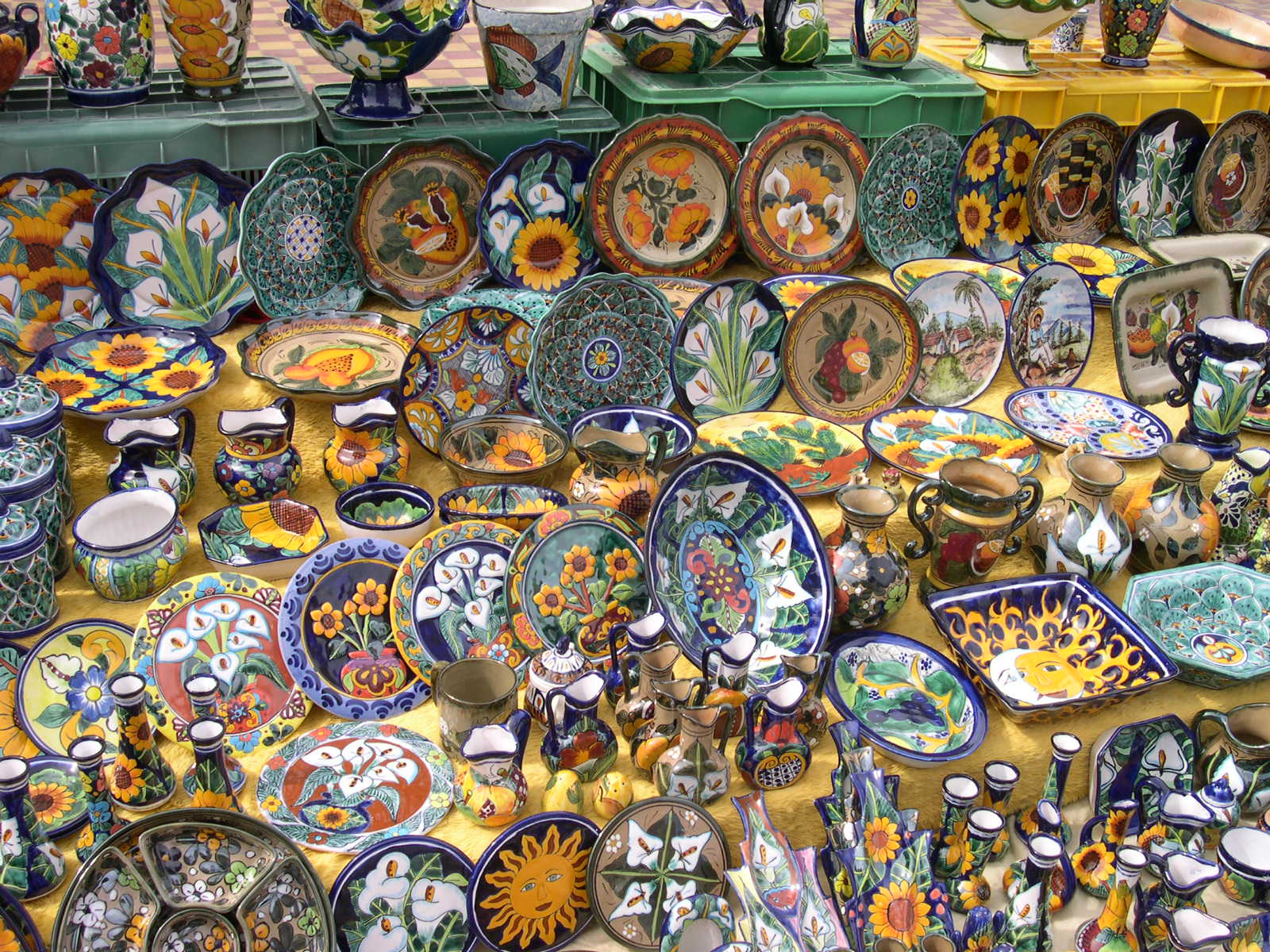
Pottery on display in an outdoor market, Concordia, Mexico 2004
“There’s a joy without canker or cark,
There’s a pleasure eternally new,
‘Tis to gloat on the glaze and the mark
Of china that’s ancient and blue…”
— Andrew Lang
Although a man wrote these words, most of the people I know who would really understand them are women. I’ve found that I am among a large number of people who admire china and pottery. I would gladly fill my cupboards with glorious varieties of dishes in beautiful patterns, if I had the unlimited space and money to do so. As it is, I admire and often photograph beautiful displays of china or pottery in shops and markets wherever I go. On reflection, that’s really better than owning it anyway; no need to wash, dust or worry about breakage. Hats off to the skilled artists who brighten our everyday lives with useful art! (A confession: I had to look up the definition of the word “cark.”)
This post was originally published seven years ago today. You can view the original with comments here.
An impression of beauty and delight

A garden adorns the stark concrete of a spiral walkway in the Embarcadero Center,
San Francisco, January 2004
“There is no spot of ground, however arid, bare or ugly, that cannot be tamed into such a state as may give an impression of beauty and delight.” — Gertrude Jekyll
Among the things I love best about San Francisco are the unique garden spots tucked away seemingly throughout the city. Though they lack the appealing open landscapes of more rural areas, urban settings have an allure quite different from the charms of the countryside. Some cities are uglier and more damaged than others, but almost all of them have hidden jewels of rooftop gardens, small but well planned parks, and tiny splashes of color provided by enterprising city dwellers who understand how to transform a nondescript space into an oasis of visual delight. I can easily spend hours on a sunny day wandering around downtown areas with my camera, in search of such discoveries. Wherever you are today, I wish for you the surprise of a refreshing encounter with unexpected beauty.
This post was originally published seven years ago today. You can view the original with comments here.
The one who thinks differently

A segment of the Berlin Wall on display at the Reagan Library in Simi Valley, California, 2004
“Freedom only for the supporters of the government, only for the members of one party – however numerous they may be – is no freedom at all. Freedom is always and exclusively freedom for the one who thinks differently. Not because of any fanatical concept of “justice” but because all that is instructive, wholesome and purifying in political freedom depends on this essential characteristic, and its effectiveness vanishes when ‘freedom’ becomes a special privilege.” — Rosa Luxemburg
It is more than a little ironic that this quote from a German Marxist (who died in 1919) would seem such appropriate words for this photograph of a section of the Berlin Wall, one of the most prominent symbols of oppression of our generation. On this day 109 years ago, eight years before Rosa Luxemburg died, a person was born who would change the course of world history in his single-minded determination to defeat despair. His name was Ronald Reagan, and even those who opposed his politics generally agree that his unflinching resolve helped to bring down the Berlin Wall.
The plaque at the base of this segment of the wall reads: “An authentic section of the Berlin Wall, donated in April 1990 by the Berlin Wall Commemorative Group to President Reagan for his unwavering dedication to humanitarianism and freedom over communism throughout his presidency. This segment measures 3.5 feet by 10 feet, and weighs approximately 6000 pounds.”
Universal freedom sounds good in abstract terms, but is exceedingly difficult in practice. It can be crushed outright by obvious tyrants, but more often it is negotiated away, little by little, as oppression creeps in to silence unpopular viewpoints and controversial debates. Yet heroes throughout history have shown us that even those who are denied physical or political freedom can remain free in spirit, indomitable in the face of intimidation or imprisonment.
This post was originally published seven years ago today. You can view the original with comments here.
Skillfully combined

The Golden Gate Bridge, seen through the fog from Marin Headlands, July 2003
“Small things grow mighty, if they are skillfully combined. Blades of grass will make a rope to bind a raging elephant.” — Hitopadesha
These words of wisdom echo a theme found repeatedly in various works, from Aesop’s fables to the Bible. Perhaps there is no greater physical symbol of the strength of unity than the breathtaking Golden Gate Bridge. It is considered one of the great marvels of modern engineering, thought by many to be impossible until it was successfully built. Here is a brief quote about its construction: “Each of the main cables contains 27,572 galvanized wires which are bundled into 61 strands that contain 454 wires each. The combined weight of the main cables, vertical suspender cables and accessories is 24,500 tons.” (Find this quote, and much more, at this site.) Skillfully combined, these wires have produced an amazing, practical and beautiful adornment to a fabulous landscape, one of the most photographed places in the world.
After the immediate shock of my husband’s devastating diagnosis, I began to research and read as much as I could about how to reverse the grim prognosis. One theme began to emerge from all sources: survival for any length of time will depend on a multidisciplinary approach. In practical terms, this means we need a team of doctors, each with a different area of expertise, all working together to most effectively fight the spread of disease throughout the body. In the background, of course, we marshal our own team of loving supporters and faithful prayer partners who help us to endure and hopefully prevail for as long as possible. We are already reaping the benefits from the strength of unified purpose.
The same is true for almost any human endeavor. We all need each other. We have the blessing and responsibility to work, reason and live together in peace, despite our differences. While we will never agree on everything, to the extent that we are able to achieve unity of purpose, we will be strong enough to endure almost any hardship.
This post was originally published seven years ago today. You can view the original with comments here.
On these walks
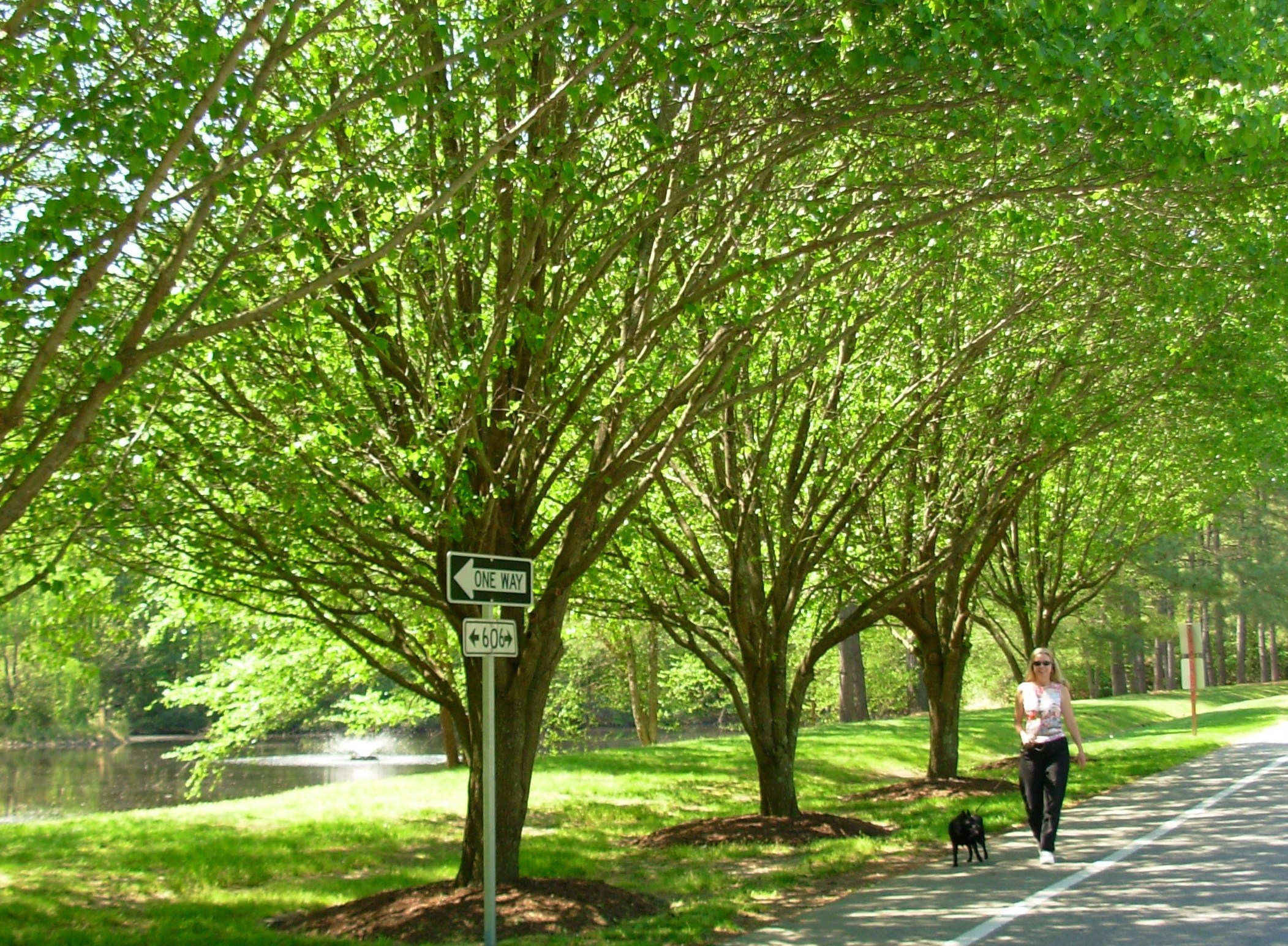
Jeff snapped this photo of me walking Pasha in our neighborhood, April 2009
“It is on these walks that my best ideas come to me. It is while walking that difficult clarity emerges. It is while walking that I experience a sense of well-being and connection, and it is in walking that I live most prayerfully.” — Julia Cameron
For several years now, I’ve been walking anywhere from two to five miles per day in pretty much all types of weather. I cannot say enough about the positive changes this has made in my life. My weight, my moods and my ability to stay free of minor illness have all improved.
More importantly, walking has become a vital part of my inner life. While walking, I listen to favorite music or an interesting unabridged audiobook as I take in the beautiful changes of the seasons. On my walks, I have come to know many of my neighbors (and their dogs) and have admired the gardening and decorating talents that enhance my enjoyment of being outdoors.
Even in a more urban setting, the advantages of walking are many. I can stroll to the post office, the grocery store or a number of shops and restaurants, saving gas and getting exercise. The landscaping is maintained to be attractive in each season, and the sidewalks, streetlights and constant presence of people make it easy to walk safely to almost any place I need to go.
I originally began walking when our dog, then 11 years old, began to show signs of failing health. When I saw the remarkable change walking two miles per day made in his energy level and stamina, I was convinced I needed to increase my walking habit for my own health. Now I cannot imagine life without this daily break. It’s the only form of exercise I can stand to keep up for very long.
It does require time — anywhere from 45 minutes to almost two hours, depending on how fast and far I go — but I find that it is time well spent. If you are not already doing so, try taking a walk some sunny day. You might find that you like it as much as I do.
This post was originally published seven years ago today. You can view the original with comments here.
Intense love

Children’s artwork on display at Hagia Sophia, Istanbul 2008
“Creative work carries with it a form of intense love.” – Lin Yutang
Lin Yutang’s description of creativity is parallel to the Bible verse that tells us “God is love.” If God’s love has been made manifest in the boundless beauty and diversity of creation, it stands to reason that people made in God’s image would also feel the loving drive to be creative. For some, this creativity will take familiar, almost hidden forms: the well-cooked meal, the sewn or knitted garment, the family photographs, the handmade card or carefully penned letter. For others, creativity will produce the whimsical, attractive or masterly works that exist purely to engage the eye or feed the soul. Whatever forms your creativity takes, honor this spirit in yourself and others. We were born to create, and to delight in creation.
This post was originally published seven years ago today. You can view the original with comments here.
On the losing side

The ʻĪao Needle, Maui 1992
“Man talks of a battle with Nature, forgetting that if he won the battle, he would find himself on the losing side.” — E. F. Schumacher
No matter how much progress we make, our ability to control nature ultimately remains elusive. Natural disasters leave trauma and suffering in their wake, so it’s understandable that we want to rein in such destruction. But perhaps it’s mostly a good thing we are not always able to manipulate the physical world to suit our own ends. Actions that seem to be a good idea at the time often turn out to be mistakes. We would do well to heed the lessons in humility that the natural world teaches us over and over again.
This post was originally published seven years ago today. You can view the original with comments here.
I still hear the sound

Flowers on display at an Istanbul market, 2008
“The temple bell stops but I still hear the sound coming out of the flowers.” — Basho
At the beginning of February, it’s good to look forward to the coming of spring. It has been awhile since I’ve seen this many flowers at one time, but thoughts of them linger and build anticipation that will have me out gardening in a few weeks. Whether you are lucky enough to have flowers blooming at this time of year, or can only see them in photographs or memory for now, I hope your day is filled with the wonderful music of flowers!
This post was originally published seven years ago today. You can view the original with comments here.
A happy talent

Central Park, New York City, May 2007
“It is a happy talent to know how to play.” — Ralph Waldo Emerson
Sometimes we confuse recreational activities with play, but the two are not always linked. It’s possible to turn recreation– especially organized and scheduled pursuits– into just another task on our to-do list. It’s also possible to play while engaged in duties that most people would view as work. Playfulness is an attitude that is not wholly dependent on external factors.
At its best, play involves some spontaneity. We’ve all known of children whose lives are so over-scheduled with extra-curricular activities and “recreation” that there is no time to relax, daydream and goof off. Most of us understand that children need some free time, but this sort of freedom is important for adults, too. Are you working at your play? Are there ways you can learn to incorporate play into your work? Maybe Mary Poppins was onto something!
This post was originally published seven years ago today. You can view the original with comments here.
Observing the effects

Drew takes in the landscape during our Kilauea Crater hike, Hawaii (the big island) 1992
“The observer, when he seems to himself to be observing a stone, is really, if physics is to be believed, observing the effects of the stone upon himself.” — Bertrand Russell
What we see and experience changes us forever. This is one reason it’s so important to feed our minds and senses with a healthy diet. How often do we focus on what we are viewing, tasting or hearing without examining the effects of these stimuli on our minds and bodies? Do we feed our minds and spirits haphazardly, taking in whatever presents itself– or even worse, what advertisers choose to show us? Or do we plan our leisure hours with purpose, making sure to include the beautiful, good or uplifting choices that are often drowned out by the demanding chaos of noise? Let’s prioritize feeding our senses with a steady diet of excellence in music, art, nature, reading and all other forms of spiritual nourishment, to counteract the disruptive or destructive messages that assault us from many directions.
This post was originally published seven years ago today. You can view the original with comments here.
God’s medicine
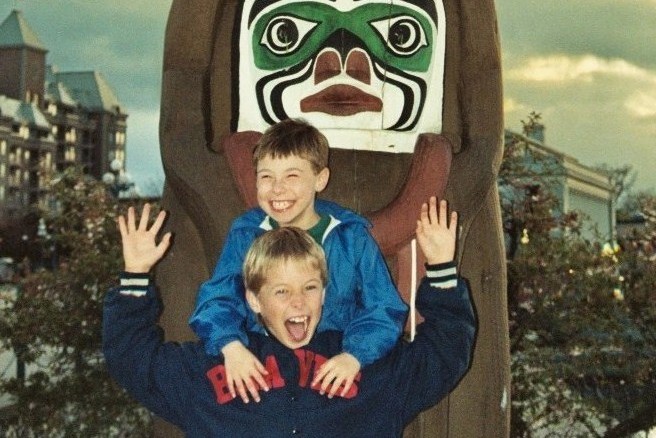
Our sons laugh it up in Victoria, British Columbia 1993
“Mirth is God’s medicine. Everybody ought to bathe in it.” — Henry Ward Beecher
As Norman Cousins famously demonstrated, laughter really is the best medicine. It can break through the gloom and lift the heart more quickly than any other remedy. Years ago while we lived in Ohio, we were coping with the worrisome heart defects of our newborn son, along with the normal stress of caring for an infant and his 16-months-older brother. I remember coming in from work late at night (I worked an airline job) feeling tired, worried and discouraged. My husband would leave a clipping on the kitchen table for me to read from the Dayton newspaper, by a then-little-known humor columnist named Dave Barry. No matter how blue I was feeling, Barry’s writing would have me laughing aloud, and the effect was as cleansing to the spirit as a hot shower to a grimy body. Over the years I’ve felt a deep appreciation for anyone who brings laugher into our lives. Laugher is serious business.
This post was originally published seven years ago today. You can view the original with comments here.
Winter lives
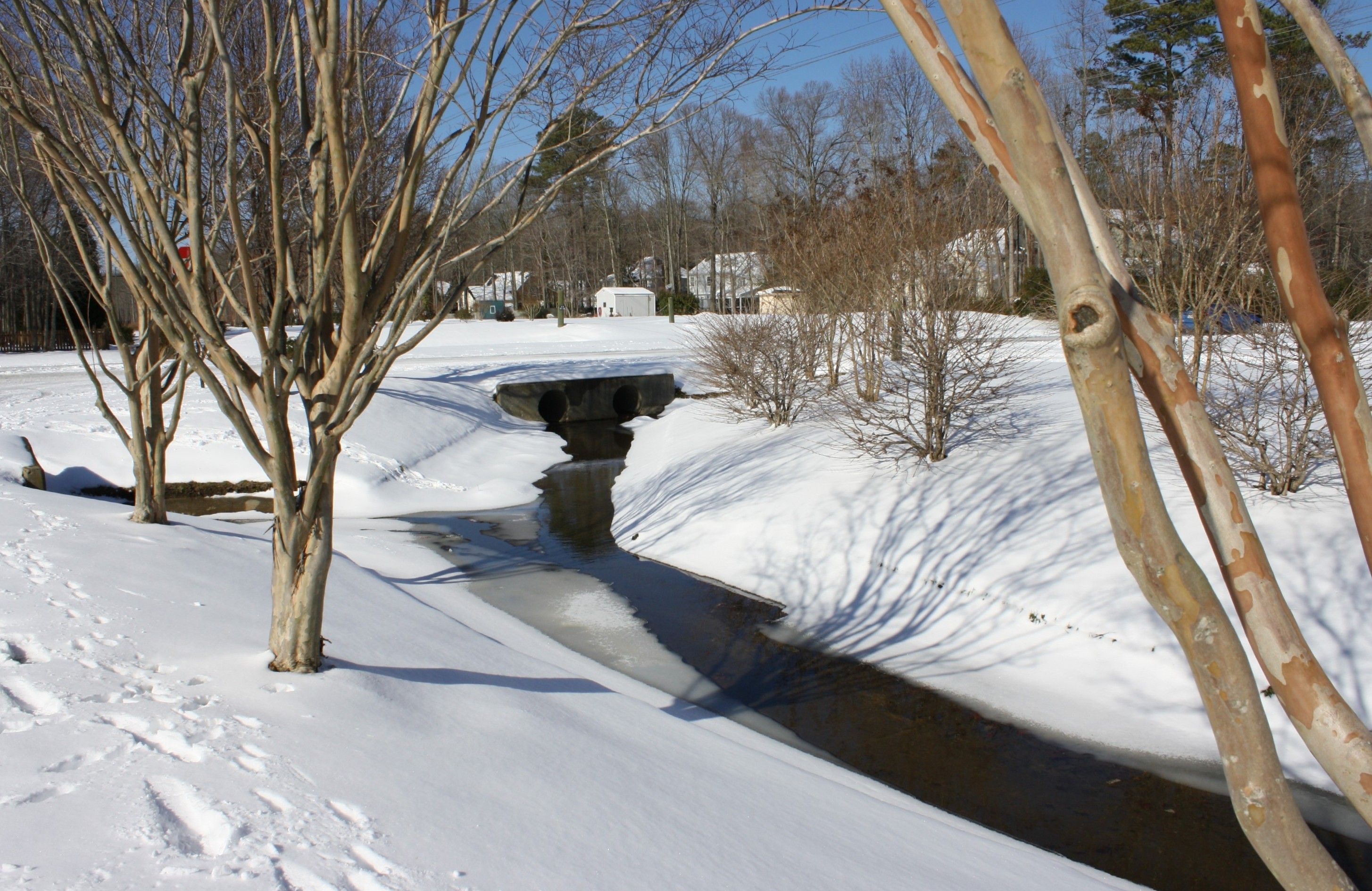
A winter scene in our neighborhood, 2010
The “dead” of winter —
Or so they say.
But winter lives
In her own way.
She leaves her tracks,
She shows us signs:
Not brilliant blooms,
But webs of lines.
— Douglas Florian
As I write this, there is snow on the ground outside and I have my space heater running near my feet. Next week, the weather forecast calls for unseasonably warm temperatures. I’ll be happy to go outdoors and not get chilled instantly. But I have to admit, it’s pretty cozy on snowy days.
What is the weather like where you are? How does winter live in your neighborhood? Or do you live in a part of the world where January is summertime?
This post was originally published seven years ago today. You can view the original with comments here.
Hope I cannot measure

Appomattox Court House National Historic Park, Virginia 2005
“Green pastures are before me, which yet I have not seen;
Bright skies will soon be o’er me, where the dark clouds have been.
My hope I cannot measure, my path to life is free,
My Savior has my treasure, and He will walk with me.” — Anna Laetitia Waring
On a recent Sunday at a church where we are frequent visitors, the congregation sang the hymn “In Heavenly Love Abiding,” the final verse of which is printed above. I grew up singing this song, and its words are familiar, but hearing them in the context of my husband’s recent illness gave them new meaning for me.
I noticed in the music annotation that the hymn was written in 1850. I could not help reflecting that these words were penned during an era when there was arguably much less reason for such optimism than there is now. At that time, there was very little of what we would call real medical help available; no emergency rooms, no heart surgery, no chemotherapy. In fact, even the antibiotics or anesthesia that we rely upon today were not yet developed. And effective, compassionate medical help for depression or other mental illnesses certainly was not available.
Anna Waring was 27 years old when she wrote these verses. What were the dark clouds, storms and “low heart” she referred to in the words of this hymn? History doesn’t tell us, but it seems clear that her life must have had its share of sorrow. Yet her hopeful spirit shines through in this verse. Over 160 years later her words live on, inspiring me and countless others to live in faith that better things lie ahead.
This post was originally published seven years ago today. You can view the original with comments here.
A delightful society

The British Library welcomes me to London, December 2005
“Books are delightful society. If you go into a room and find it full of books – even without taking them from the shelves they seem to speak to you, to bid you welcome.” ― William Ewart Gladstone
From the most magnificent libraries to the humblest bookshelves, I feel at home wherever there are books. I guess that’s why I eventually earned my Master of Library and Information Studies at the University of Hawaii (1994-1996). But long before I had a graduate degree in library science, I haunted the stacks of every library I could find, and still have about a dozen active library cards to various libraries. Wherever I go, I seek out and visit the public libraries, each unique but all with the enduring appeal that comes from housing infinite possibilities for exploration and discovery.
Through books, I connect to other people from worlds vastly different from my own, experiencing the timeless bond that comes from the sharing of ideas, stories and viewpoints. While the internet now offers similar opportunities for connection, for me there will never be anything quite like the comfortable yet exciting “click” of recognition I sense whenever I walk through a library door: I belong.
This post was originally published seven years ago today. You can view the original with comments here.
Hidden inside

Cactus flowers in an Amsterdam floral shop, March 2007
“Sometimes what you want is hidden inside what you don’t want.” — Ashleigh Brilliant
Just as the prickly cactus produces beautiful blooms, so harsh circumstances can result in positive change and growth. This does not negate the pain of grief and loss, but it does provide a way through darkness. Christians believe “in all things God works for the good of those who love him” (Romans 8:28), a verse that is sometimes misinterpreted to mean “everything that happens is for the best.” Not everything that happens is good, but God promises us that no matter what happens, we can find a way to bring blessings from sorrow.
My husband’s stage IV cancer is a nightmare; we could never see it as being “for the best.” Yet even with the suffering, we have been blessed with unexpected joys:
The outpouring of love and support from people we are close to, as well as those we had not heard from in years, is a continual encouragement. And many people we have never met strengthen us daily with their prayers and expressions of concern.
A lot of frustrations or concerns that once held a false sense of importance have been rendered powerless to bother us, seeming minor in comparison to the challenges we face now. We have a sharply focused picture of what really matters; many truths we understood intellectually before, we now know with our hearts.
And I have spent more time with my husband in recent weeks — despite that time being mostly in medical settings — than we were ever able to spend together before. As strange as it may sound, I have been so glad to be with him even when the reason we’re spending time together is because of the “worse” part of “for better or worse.”
Whatever trials or challenges you may be facing now, my prayer is that there will be hidden blessings that emerge from the pain.
This post was originally published seven years ago today. You can view the original with comments here.
Talk of mysteries!

Jeff snapped this photo of me on Cadillac Mountain in Acadia National Park, June 2012
“Talk of mysteries! — Think of our life in nature, — daily to be shown matter, to come in contact with it, — rocks, trees, wind on our cheeks! The solid earth! The actual world!” — Henry David Thoreau
I hope nobody’s getting tired of my going on about nature, but the natural world is a marvel to me that never loses its wonder. There is simply nothing more effective at ridding me of the frustration, anxiety or depression of whatever burdens are weighing me down. Getting outside and paying close attention to the things God created puts everything into perspective.
The great thing about it is, I don’t have to travel to a faraway feast of nature such as Acadia or other national parks (although I highly recommend doing that as much as possible). I can go to a local park, or my back yard. I can re-pot plants or water my flowers and shrubs. Even digging weeds while listening to a book on tape is a balm for my spirit (and my neighbors have joked that I’m welcome to dig weeds in their yard anytime!)
Next time you’re at the end of your rope, make time to visit a nearby park, or take a walk in your own neighborhood and try to name the different birds, trees and plants you encounter. Take along an MP3 player loaded with your favorite music, or a great mystery or an inspiring classic. Tune in and rejoice!
This post was originally published seven years ago today. You can view the original with comments here.
The ordinary arts

At the Hearthside Bed and Breakfast, Bar Harbor, Maine 2012
“The ordinary arts we practice every day at home are of more importance to the soul than their simplicity might suggest.” — Thomas Moore
There are small details– inexpensive or free– that make our homes a more nurturing environment. For me, some of the minimal efforts that have maximum impact include making the bed daily, keeping things tidied up, and adding touches of color with flowers, books, or other attractive items of personal significance. What are some of the simple ways you can brighten your life by enhancing your home?
This post was originally published seven years ago today. You can view the original with comments here.
An island in itself

The atrium of the Diamond Princess on her maiden voyage, 2004
“The most fascinating island you’ll ever visit on a big ship is the ship itself.”
— Ashleigh Brilliant
Count me among the people who are hooked on cruising with their first voyage. Beyond the allure of waking up in new surroundings each morning, or the convenience of unpacking and checking in only one time, there is the undeniable marvel of the ship itself. Modern cruise ships are floating cities, and each year the cruise lines seem to compete to see which can produce the most superlative ship. Some go for size or “bells and whistles” while others emphasize luxury and elegance. All offer unlimited food and a wide variety of activities.
No matter your travel preferences or tastes, there seems to be something for everyone who can afford the fare. While cruising is actually a cost-effective way to see many places in a short time, travel is expensive at best. But even if you can’t afford to cruise this year, it’s fun to spend some time browsing the websites and ship plans of the various lines, or reading about the many itineraries and ports of call. In fact, the anticipation of planning for a cruise– for months or even for years– is one of the best aspects of going on one.
This post was originally published seven years ago today. You can view the original with comments here.
An authentic style

Scarves on display at an Istanbul market, 2008
“People with an authentic style know what they are, but even more important, they know what they are not. They don’t care about labels. They care about personal expression.” — Sarah Ban Breathnach
I have always admired women who know how to use accessories to create beautiful outfits. Usually, a woman whose style I admire does not rely on the latest fashion fad to create an eye-catching look; rather, she knows how to pull colors, garments and costume jewelry together to highlight what is most beautiful about her own personality and character. This talent does not require spending a lot of money. Some of the most stylish people I know are frugal and creative, unafraid to try something different.
The same is true for other forms of art incorporated into everyday life. The most memorable homes and living spaces I’ve seen are the ones that are unique, expressing the essence of the people who live there, accentuating the most interesting aspects of their lives.
Not all of us are gifted at dressing or decorating with artistry, but we can appreciate those who add beauty to the world in this way. When you see people whose clothing or home style brightens your day, tell them so! And if you have a talent for creating with style, know that others enjoy and benefit from your efforts to make the world more attractive.
This post was originally published seven years ago yesterday. You can view the original with comments here.
Everybody can be great

Our son Matt in June 2012, with one of his favorite people, Tilly, who comes from England
each summer to help young people with disabilities have a great time at camp.
“Everybody can be great… because anybody can serve. You don’t have to have a college degree to serve. You don’t have to make your subject and verb agree to serve. You only need a heart full of grace. A soul generated by love.”— Martin Luther King, Jr.
These beautiful words are being quoted more frequently in recent days as the nation prepares to honor Dr. King’s memory with “A day on, not a day off.” Community service projects are planned throughout the USA as a way to honor Dr. King’s call to service. As a minister, King took seriously the words of Jesus in Matthew 23:11-12: “The greatest among you will be your servant. For those who exalt themselves will be humbled, and those who humble themselves will be exalted.”
Some of the greatest people I know will never be famous, powerful or rich. They are the women and men who prepare meals for church potlucks and homeless shelters. They teach in a variety of locations, from school classrooms to prisons. They clean our buildings, drive our buses, fly our airplanes and watch over our loved ones who are sick or disabled.
I have seen many of these people up close for years, because our younger son was born with multiple disabilities. As an adult, he depends on the kindness of countless people: doctors, nurses, job coaches and respite providers, and many others too numerous to mention.
The high point of his year is always a week or two at summer camp, where he and other young adults with disabilities gather with non-disabled peers who come from many countries to provide a safe and caring place to have fun. Because of the wide range of disabilities among the campers, these camp staffers work long and often gruelling days, with tasks most people would shun, but their enthusiasm and love for the job is always evident. It would be impossible for me to put into words the gratitude I feel for these wonderful people.
The really great thing is that the campers also serve. Their humor, forgiving spirit and persistence through frustrating obstacles are an inspiration to those who have the heart to interact closely with them. Though we all have different gifts, “anybody can serve.”
Next time you are working hard and feel taken for granted, remember the people who count on your service, and know that you are appreciated more than you may realize.
This post was originally published seven years ago on Martin Luther King Jr. day. You can view the original with comments here.
All sorts of folks
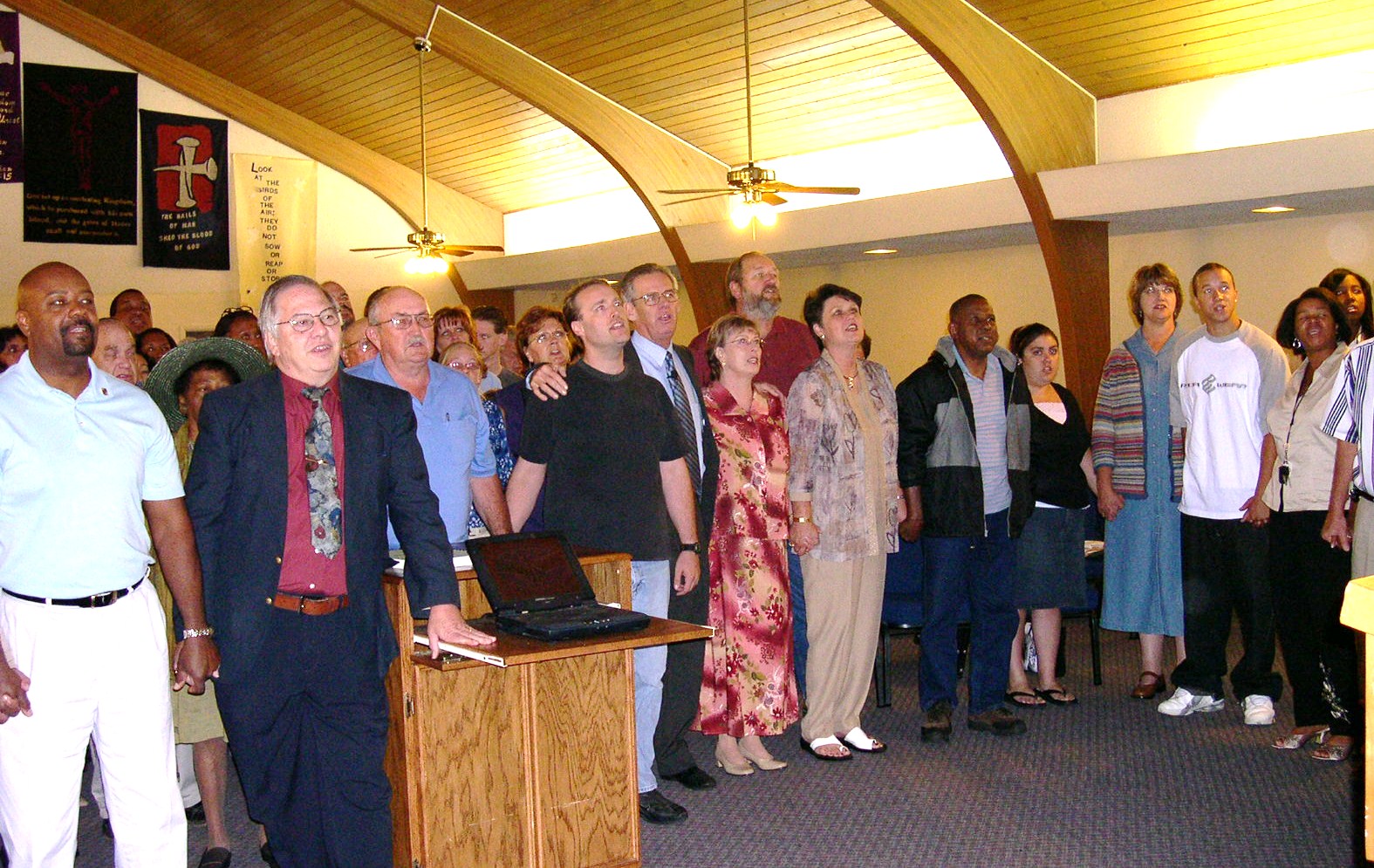
Our California church family gathers around us to sing, pray and wish us well on the Sunday before our move to Virginia, July 2004
“I am out to sing songs that will prove to you that this is your world and that if it has hit you pretty hard and knocked you for a dozen loops, no matter what color, what size you are, how you are built, I am out to sing the songs that make you take pride in yourself and in your work. And the songs that I sing are made up for the most part by all sorts of folks just about like you.” — Woody Guthrie
I’m fairly new to the world of blogging, and I find the scope and size of the blogosphere amazing. While linked in some cases to traditional publishing, it stands apart for its unprecedented accessibility and ease of entry; a great many people all over the world can blog without paying much to do it (even those who don’t own computers can access them through public libraries, schools or benevolent friends).
This morning as I was marveling over this, how I can turn on my computer and hear from people literally all over the world who have read my words, and I can go and read theirs, I thought of Woody Guthrie and his devotion to the people who were seldom heard of through the media of his day. It seems to me that blogging is to literature what folk songs are to music.
Because blogging belongs to the people at large and not to the gatekeepers of traditional publication, it is seen by many as unsophisticated and ephemeral, somehow less important than “real” publishing. But just as folk songs capture and record the invaluable history of everyday people, so the countless blogs published online daily are forming an unparalleled record of the entire world; who we are, what we think, how we feel.
This post was originally published seven years ago today. You can view the original with comments here.
Infinitely healing

Green hills near our northern California home, 2003
“There is something infinitely healing in the repeated refrains of nature– the assurance that dawn comes after night, and spring after the winter.” — Rachel Carson
Among the things I miss most about living in northern California is being able to see the beautiful green hills on a daily basis — but only for a relatively brief time in the spring. The famed California sunshine quickly burns them to a golden brown for the rest of the year.
On the coastal regions of California, we experienced winter as the rainy season. The rains would begin in December and continue steadily until February or early March. Although the rain would become annoying at times, we always needed it badly after going months without it. Whenever I would find myself complaining about the rains tripping the breaker and turning my outdoor Christmas lights off, or soaking my shoes and keeping the skies a gloomy gray for weeks, I would remind myself of the glorious green hills that soon would follow.
This post was originally published seven years ago today. You can view the original with comments here.
Mad with joy

A garden in Colonial Williamsburg, May 2009
“People from a planet without flowers would think we must be mad with joy the whole time to have such things about us.” — Iris Murdoch
Go a little mad with joy today. Visit a florist or plant nursery, or just the floral department of a grocery store, and take a few minutes to see– really see– the flowers. Or, if you cannot get out, enjoy the flowers here and here and here. Or just google “flowers” and click on “images.” Bloggers, please feel free to post links to your favorite flower photos in the comments! As we used to say in the 60’s: FLOWER POWER!
This post was originally published seven years ago today. You can view the original with comments here.


